How Paul Davis Restoration of St. Louis Gets Estimates Out Faster with DocuSketch

5 min read
After a loss, no one wants to be out of their home or have contractors working on it for long. They’re anxious for restoration to begin so they can get back in and return to normal life as quickly as possible.
That’s why speed and accuracy are the most important parts of an estimator’s job. An estimator needs to evaluate the damage, give the insurance company a list of it, put together a quote, and wait for approval. John Kiska and Chris Dam of Paul Davis Restoration of St. Louis, Missouri, are used to this time crunch.
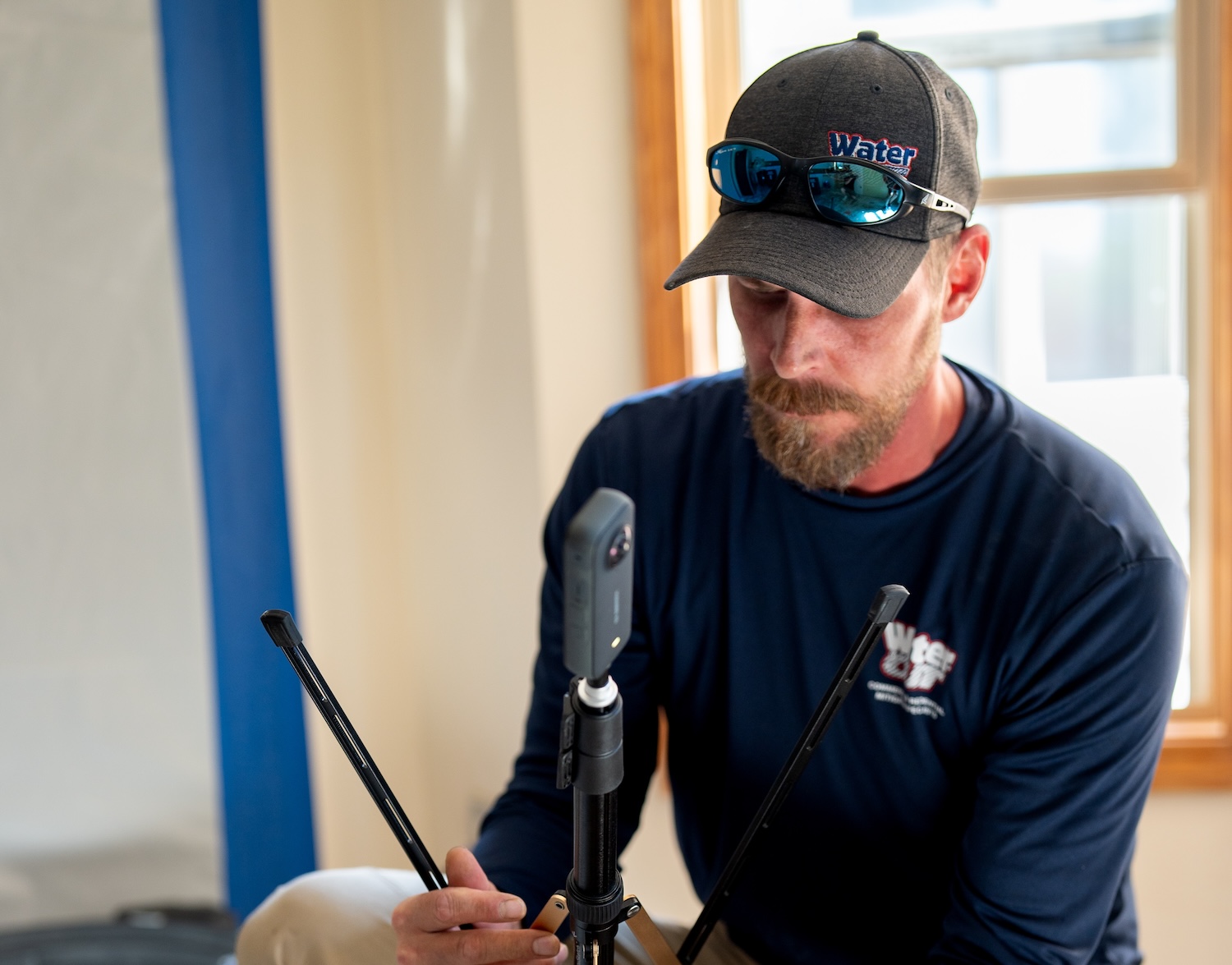
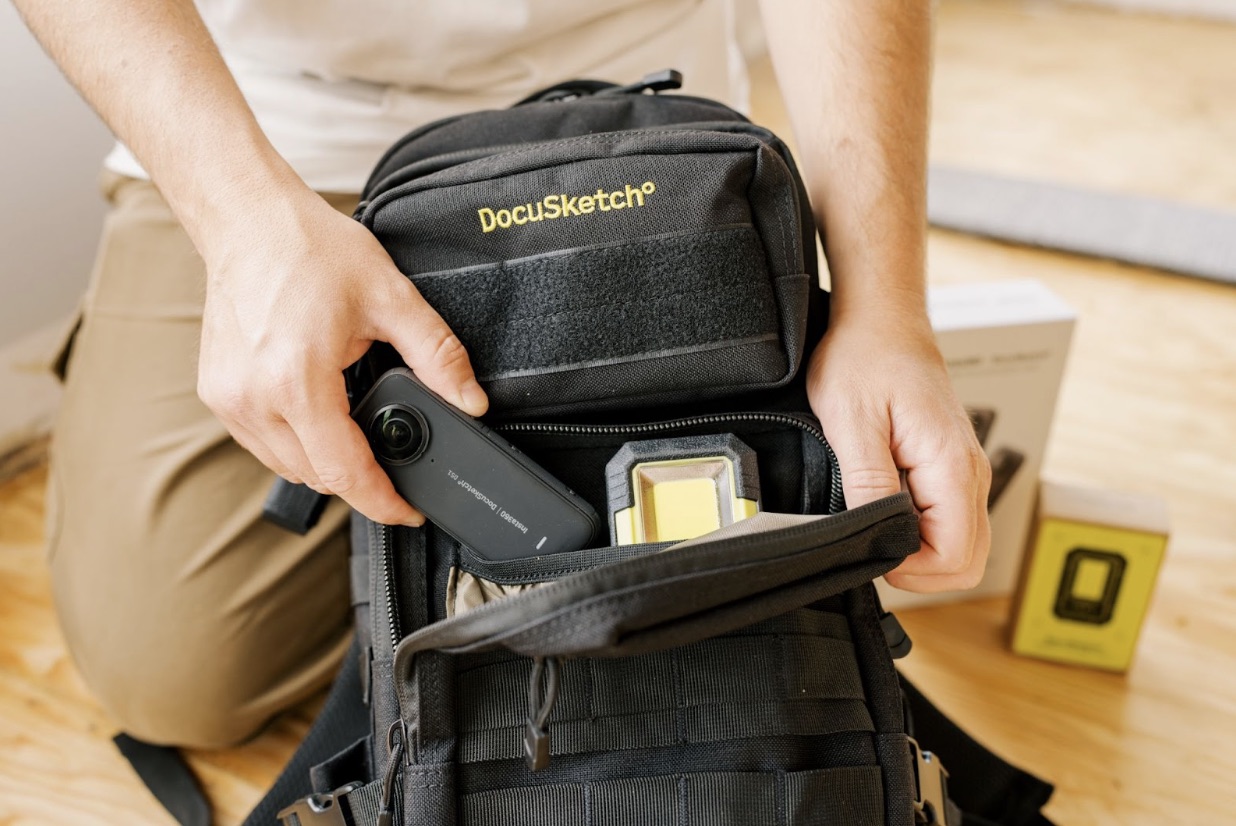
John goes out to a job site, sets up a DocuSketch camera, captures a DocuSketch tour, takes notes, and sends the capture off to be turned into a sketch. Often, by the time he gets back to the office, the sketch is ready and he can start writing the estimate. Estimates can be created, sent, and no one else needs to visit the job site. The capture covers the entire site, so neither John nor Chris has to wait on measurements, which keeps the field-to-estimate flow quick and intuitive.
DocuSketch also records each stage of the job. They use it when the boots first get on the ground to assess the initial damage, and again after demo to show what was torn out and what changed, so they can catch anything that’s outstanding.
“We use DocuSketch on 95% of our projects, and we utilize DocuSketch multiple times on each project,” Chris said.
Before DocuSketch, they were using Matterport.
“[The Matterport camera] weighed probably 10 pounds, and was this huge clunky box that you put on a really sturdy tripod, and it would spin around. Shortly after I [joined the team] here, we switched over to DocuSketch and never looked back,” John said.
Chris said DocuSketch’s efficiency made it possible to scale the business, because of how fast they can produce a quality estimate. John also pointed to the lightweight, easy-to-use DocuSketch camera and the tech support that was right there to help with any issues.
Capturing a loss at each milestone and handing off the sketches straight from the inspection site keeps estimates moving, and that speed matters to the homeowner waiting for work to begin.
“DocuSketch is super quick, and makes estimating easy for anybody,” John said.

Related Articles