PPC Marketing Guide for the Restoration Industry: How to Generate More Leads Without Wasting Spend

5 min read
If you run a restoration company, you may know that when someone's basement floods at midnight, they're not browsing through a pile of contractor brochures. They're pulling out their phone and searching for help right now.
That urgency is exactly why paid digital advertising, or Pay-Per-Click (PPC), can be one of the most effective ways for restoration companies to capture emergency demand.
PPC stands for pay-per-click. It's a form of online advertising where you create an ad, and instead of paying a flat fee to run it, you only pay when someone clicks on it and visits your website or calls your business. Platforms like Google let you bid on specific search terms, so when someone searches "water damage restoration near me," your ad can appear at the top of the results. You're not paying for the ad to be seen. You're paying for the click.
This guide is designed to give restoration business owners a working knowledge of how PPC works, what the key concepts mean, and how to approach it strategically. Think of it as a vocabulary and orientation course before you dive deeper or bring in professional help.
A note before we start: When you first launch a PPC campaign, you need to set aside a testing period budget. This is money spent over the first few weeks or months while you and your team figure out which keywords, ads, and audiences actually bring in customers. During this phase, some of that spend won't convert into jobs, and that's expected. An account that isn't set up correctly can drain that testing budget quickly without giving you the data you need. For many restoration companies, it's worth investing in professional help to build out your account and campaigns, at least in the beginning. This guide will help you understand what they're doing and ask the right questions.
Why PPC Works So Well for Water Damage Restoration And What to Look Out For
Restoration work, especially water damage, is what marketers call "emergency intent" search territory. That means the person searching isn't casually comparing options. They need help now, and many will call the first credible result they find.
That dynamic makes PPC a strong fit for the industry. The gap between "searched" and "hired" can be just minutes. High-intent searches are where paid ads shine.
However, if not set up correctly, PPC campaigns can underperform for restoration companies. Two issues tend to come up most often.
- Paying for the wrong clicks. Without a well-organized keyword strategy, your ads show up for searches that have nothing to do with a paying customer, like homeowners trying to fix a small leak themselves.
- Not converting the right leads fast enough. Even a great ad campaign can produce zero revenue if your phone goes unanswered after hours or a lead goes cold while waiting for a callback.
If you’re investing in PPC for your restoration business, we want to see: calls coming in, booked inspections, and a clear cost per booked job you can measure and improve over time. If you want to read more about the bigger picture of growing your business through marketing, our restoration company marketing strategies guide is a useful starting point.
Which PPC Channels Matter for Restoration
A PPC channel is the platform or ad format where your paid ads run. Different channels reach people at different points in their search, and restoration companies may see great results from two channels in particular.
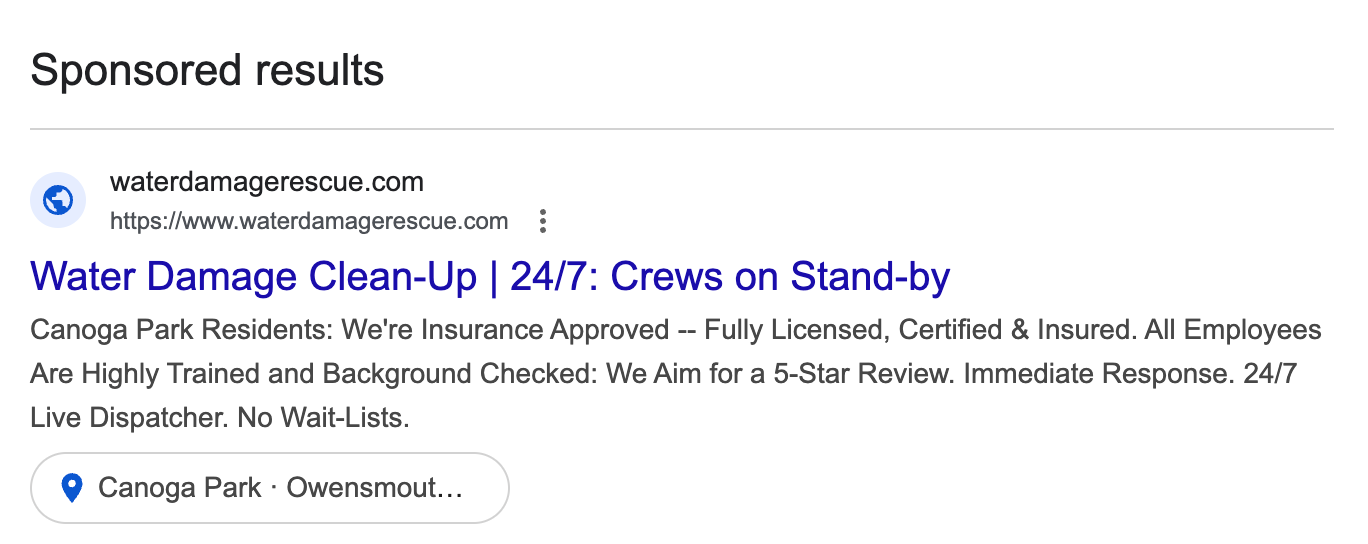
1. Google Search Ads
Google Search Ads are the most common form of PPC advertising. They appear at the top of Google search results when someone types in a query that matches keywords you're targeting.
2. Local Service Ads
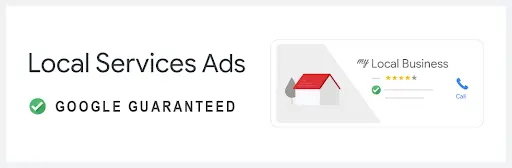
Local Service Ads (LSAs) are a separate Google product that operates differently from standard Search Ads. Instead of paying per click, you pay per lead, and Google verifies your business through a background check and license validation process before your ads run.
Step-by-Step Keyword Strategy for Water Damage Restoration Google Search Ads
A keyword in PPC is simply the search term (or category of search terms) you're telling Google you want your ad to appear for. Keyword strategy is the process of deciding which terms to target when people are searching, which to avoid, and how tightly to control when your ads show.
LSAs and Search Ads Together
LSAs and standard Google Search Ads work well in parallel. LSAs capture the very top of the results page for high-intent searches. Search Ads give you more control over messaging and cover a broader range of keywords. Running both, even at modest budgets, maximizes your visibility for the most valuable searches.
Build Your Keyword List Around Emergency Intent Buckets
The most valuable keywords for restoration PPC describe a problem happening right now. Group them into a few categories to keep your campaigns organized.
Immediate emergency searches: These are the highest-priority terms because the person needs help today.
- water damage restoration near me
- emergency water removal
- flooded basement cleanup
- burst pipe water cleanup
- 24 hour water damage service
Problem and service searches: These indicate someone dealing with an active issue but searching in slightly less urgent language.
- water extraction services
- water mitigation company
- wet carpet drying service
Location-modified searches: Adding a city or neighborhood to any of the above can increase relevance and reduce irrelevant clicks.
- [service] + [city] (e.g., "water damage restoration Denver")
- [service] + [neighborhood] (e.g., "flood cleanup South Austin")
The Negative Keyword List That Protects Your Budget
A negative keyword is a term you explicitly tell Google not to show your ad for. This is one of the most important budget protection tools in PPC.
Without a strong negative keyword list, your water damage ads might show up for someone searching "how to fix water damage yourself" or "water damage restoration job openings." Those clicks cost you money and rarely convert into jobs.
Build exclusions around these categories:
- DIY and how-to searches: "how to dry carpet," "diy water damage repair," "home remedies for mold"
- Job seekers and training: "restoration technician jobs," "IICRC certification course," "water damage training"
- Non-relevant "restoration" searches: "car restoration," "furniture restoration," "antique restoration"
- Free or ultra-budget intent: "free water damage inspection" (unless you offer it), "cheapest water damage company"
Maintaining and expanding your negative keyword list is ongoing work, not a one-time setup task. Review your Search Terms report regularly in Google Ads to see exactly what searches triggered your ads.
Match Types: How Tightly Google Interprets Your Keywords
When you add a keyword to a Google Ads campaign, you can control how flexibly Google interprets it using something called a match type.
Broad match allows Google to show your ad for searches related to your keyword, even if the exact words aren't present. This gives Google a lot of latitude and can introduce irrelevant traffic quickly.
Phrase match shows your ad when the search includes your keyword phrase (or a close variant) in that order, with other words allowed before or after.
Exact match shows your ad only when the search query closely matches your keyword, with minimal variation allowed.
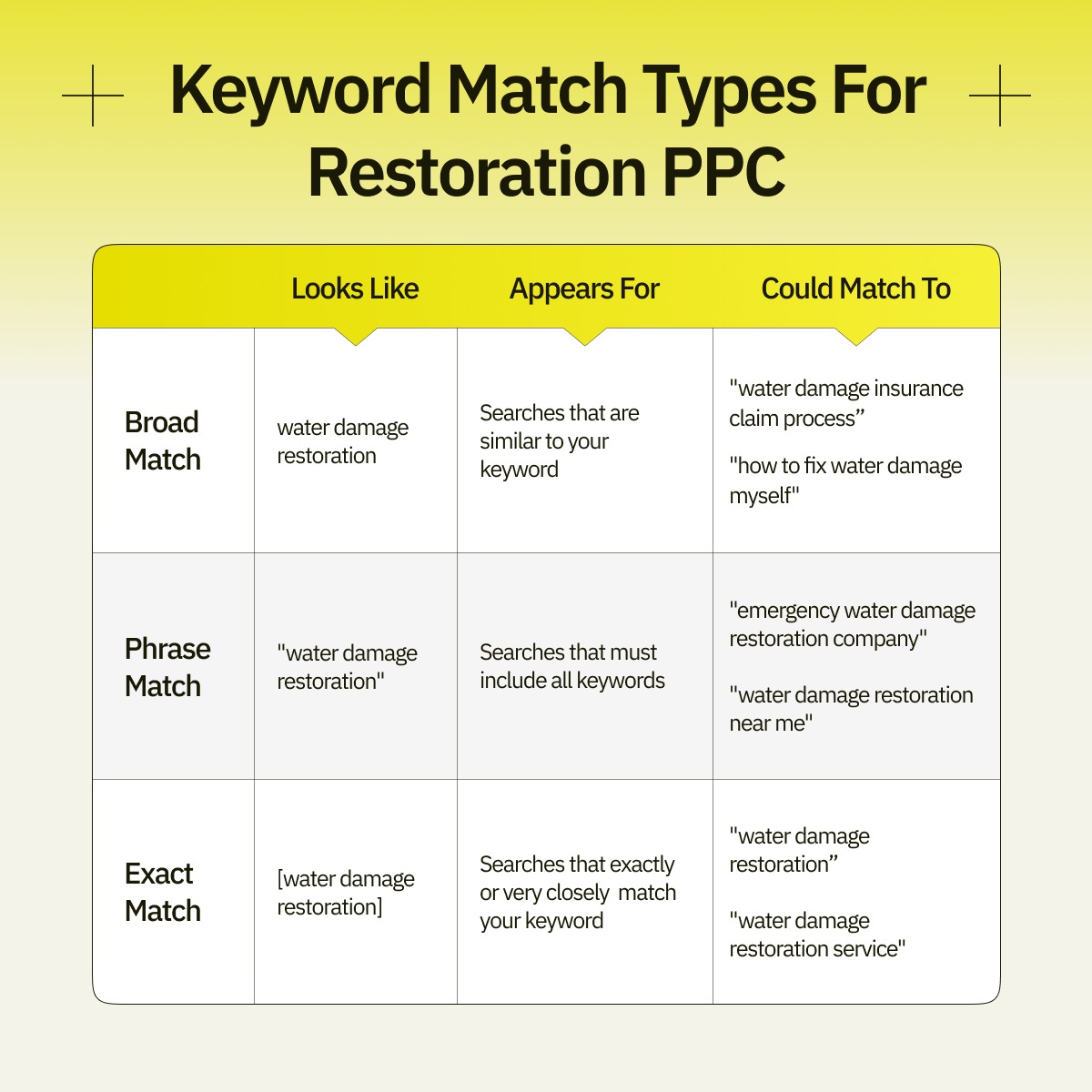
For restoration companies just starting out, phrase and exact match offer more control and protect your budget while you build data. Google's documentation on match types is a helpful reference if you want to go deeper on how each one behaves.
Ads That Convert in Restoration: What to Say (And What to Avoid)
Writing ad copy that generates calls in the restoration industry comes down to a few core elements. For a broader look at sales strategy, see our guide to increasing restoration company sales.
Effective ads for water damage restoration tend to include:
- Speed and availability signals: "24/7 Emergency Response," "On-site in 60 Minutes" (only use these if they're operationally true)
- Local proof: How long you've been in business, the service area you cover, any certifications you hold (IICRC, for example)
- Insurance-friendly language: Phrases like "We Work With All Carriers" or "Direct Insurance Billing" reduce friction for homeowners worried about the claims process
- Specific services: "Certified Water Extraction," "Moisture Detection," "Structural Drying" signal expertise to someone who has already been researching
What to avoid: vague superlatives ("best restoration company," "top-rated service") without specifics to back them up. These phrases often appear in other ads and don't give the searcher a reason to choose you.
One practical research step: look at what your local competitors are running. You can use Google's Ad Transparency Center to browse active ads from any business. Pay attention to which offers are overused in your market and find gaps your ad can fill.
Landing Pages Built for Calls and Bookings
A landing page is the web page someone sees after clicking your ad. It’s designed to help a homeowner in need of help learn how to work with you.
The Restoration Landing Page Checklist
Above the fold (the portion visible before scrolling):
- A click-to-call phone number, large and prominent
- Your service area and availability (e.g., "Serving the Greater Phoenix Area, 24/7")
- Trust signals: Google rating, years in business, relevant certifications
Mid-page:
- A brief explanation of what happens when someone calls: set expectations so the visitor knows what to expect next
- A simple overview of your process from inspection to mitigation to restoration, written in plain language, not industry jargon
Bottom of page:
- A short contact form for visitors who prefer not to call: name, phone number, address, and a brief urgency question
One Landing Page Per Primary Service
Your ad should send visitors to a specific landing page depending on the type of damage they’re looking for help with. If your budget supports it, consider separate pages for sub-services like basement flooding or burst pipe response.
The more specific the match between the ad and the landing page, the better your results tend to be. Conversion rate is the percentage of people who land on your page and actually call or fill out your form. Cost per lead is the total amount you spend divided by the number of those calls or form submissions you receive. A tighter match between ad and landing page usually means a higher conversion rate and a lower cost per lead.
Local Service Ads for Restoration Companies: Setup, Optimization, and Common Pitfalls
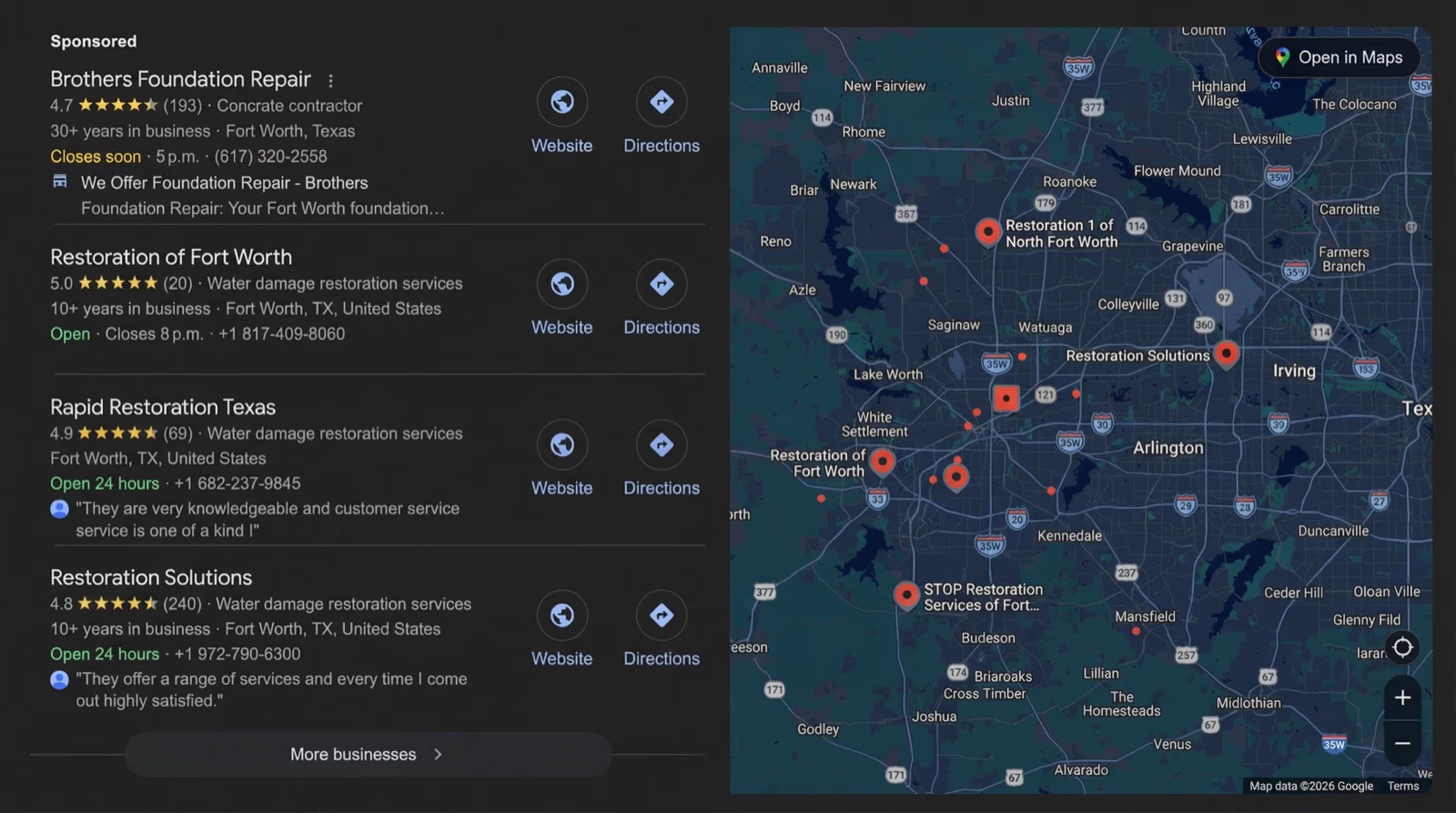
Local Service Ads (LSAs) appear at the very top of Google search results, above all other paid ads. They display your business name, average review rating, and a verification badge. You pay per lead (a call or message), not per click.
To run LSAs, you go through Google's verification process. For restoration companies, this typically involves confirming your business license, insurance, and passing a background check. Once approved, you're eligible for the Google Guaranteed badge, which can meaningfully increase trust with homeowners.
Setting Up Your LSA Profile
- Select your service categories carefully. Only choose categories where you actually do the work and want the leads.
- Set your service area to match your actual operating radius. Overly broad service areas can increase your lead costs without improving your results.
- Collect and respond to Google reviews consistently. Your review count and rating affect how prominently your LSA shows.
Managing Your LSA Budget
With LSAs, you set a weekly budget, and Google charges you per lead. You can dispute leads that don't meet your criteria (wrong service area, wrong service type, spam calls) through the Google Local Services dashboard. Review your leads regularly and dispute appropriately. In many cases, this is one of the budget levers that get overlooked.
Turning PPC Wins Into Profit: The Operational Follow-Through Most Guides Ignore
Most PPC guides stop at the click. But in restoration, what happens after the click determines whether you actually make money.
Speed-to-Lead System
When someone calls from a PPC ad, there's a good chance they've already called or are about to call a competitor. How fast you answer and how well you handle that first call determines whether you book the job.
Set clear standards for call answering. What happens when all lines are busy? Who handles after-hours calls? These aren't marketing questions, but they directly affect your return on ad spend, or ROAS: how much revenue you make back for every dollar you spend on ads. Answering calls quickly and consistently makes sure the effort you're putting into your ads pays off when someone calls in from them.
A basic intake script helps, too. Capture location, urgency level, type of damage, whether it's insurance-related, and any immediate safety concerns. That information lets you dispatch the right crew with the right equipment and sets the customer's expectations before anyone arrives on site.
Don't Scale Faster Than Your Systems Can Handle
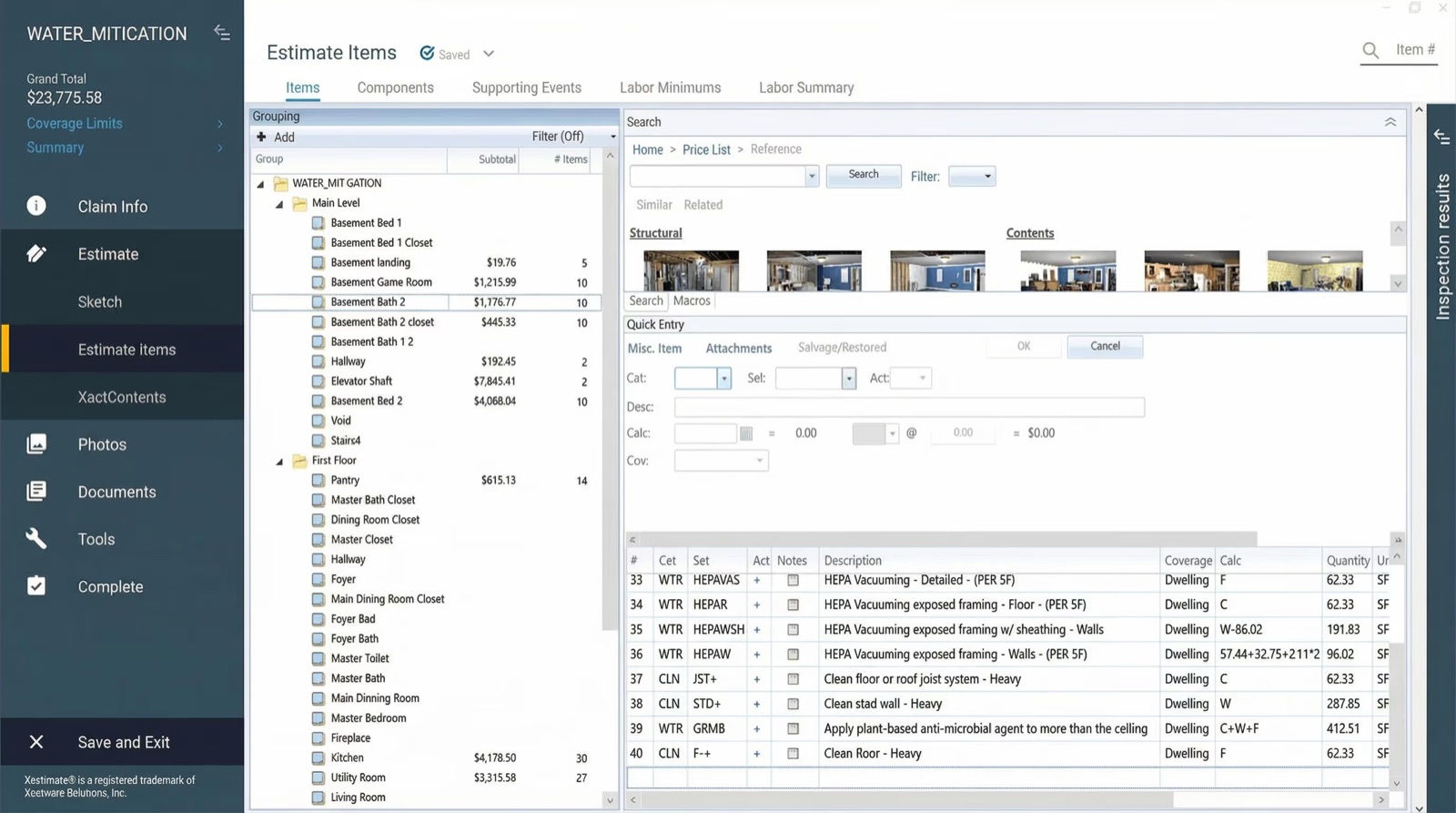
When PPC starts working and lead volume increases, documentation and estimating speed become a bottleneck. Our guide to growing your restoration business covers the operational side of scaling in more depth.
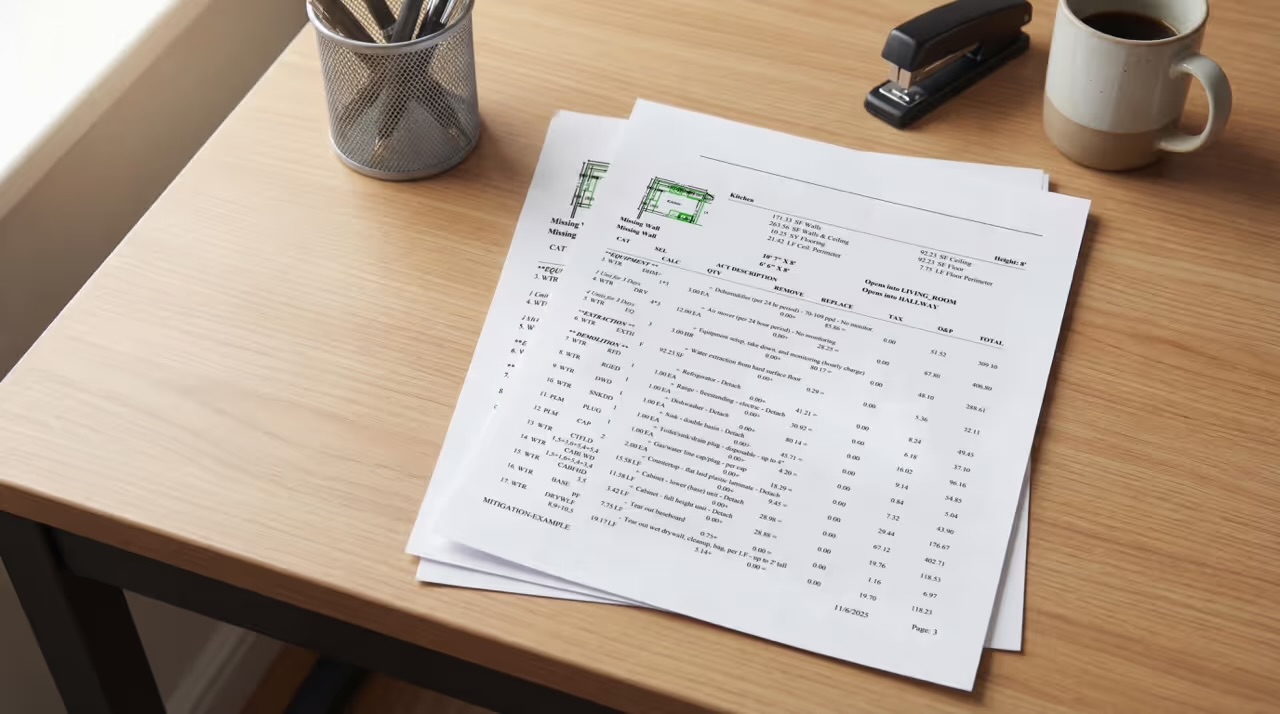
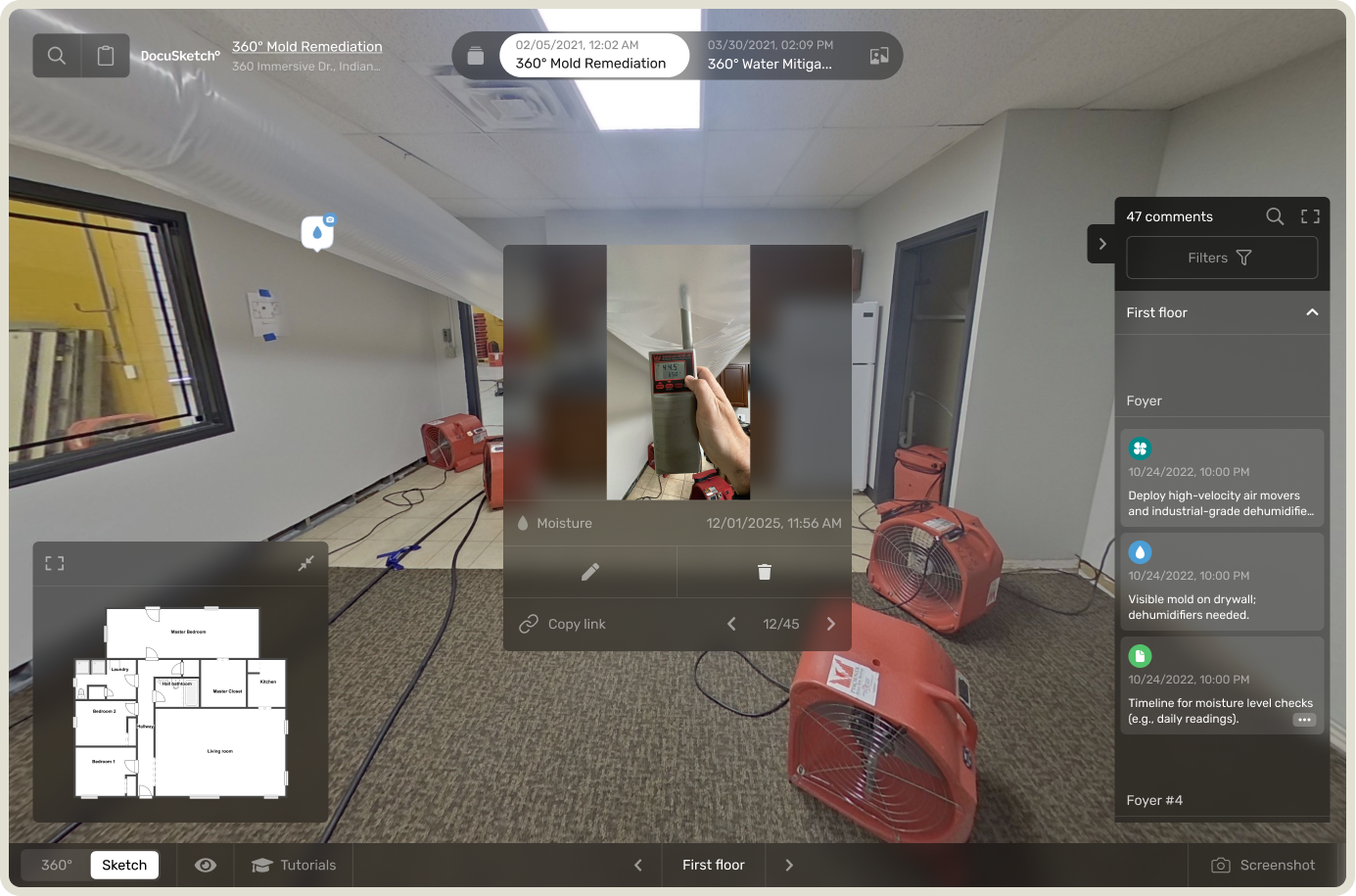
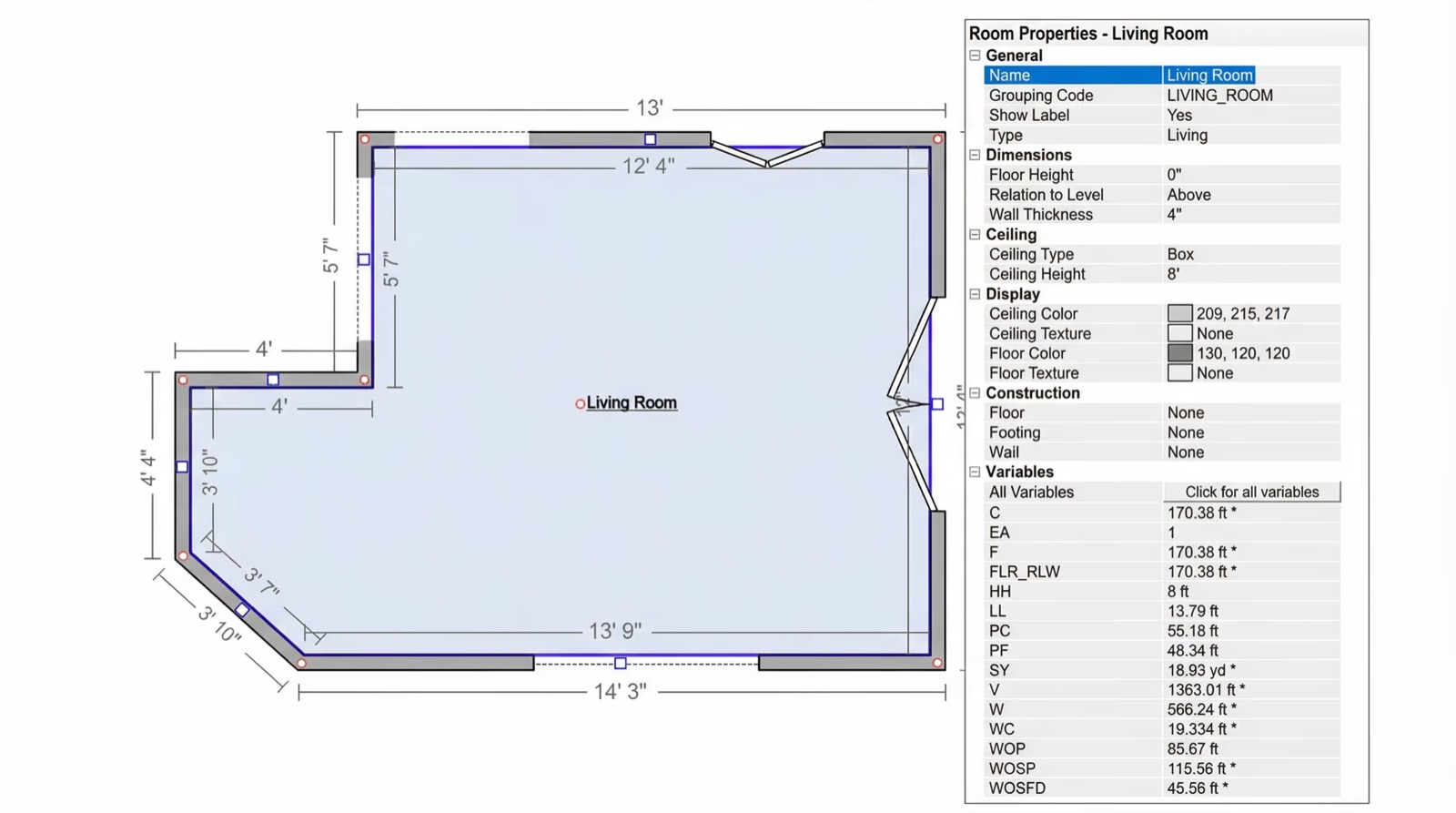
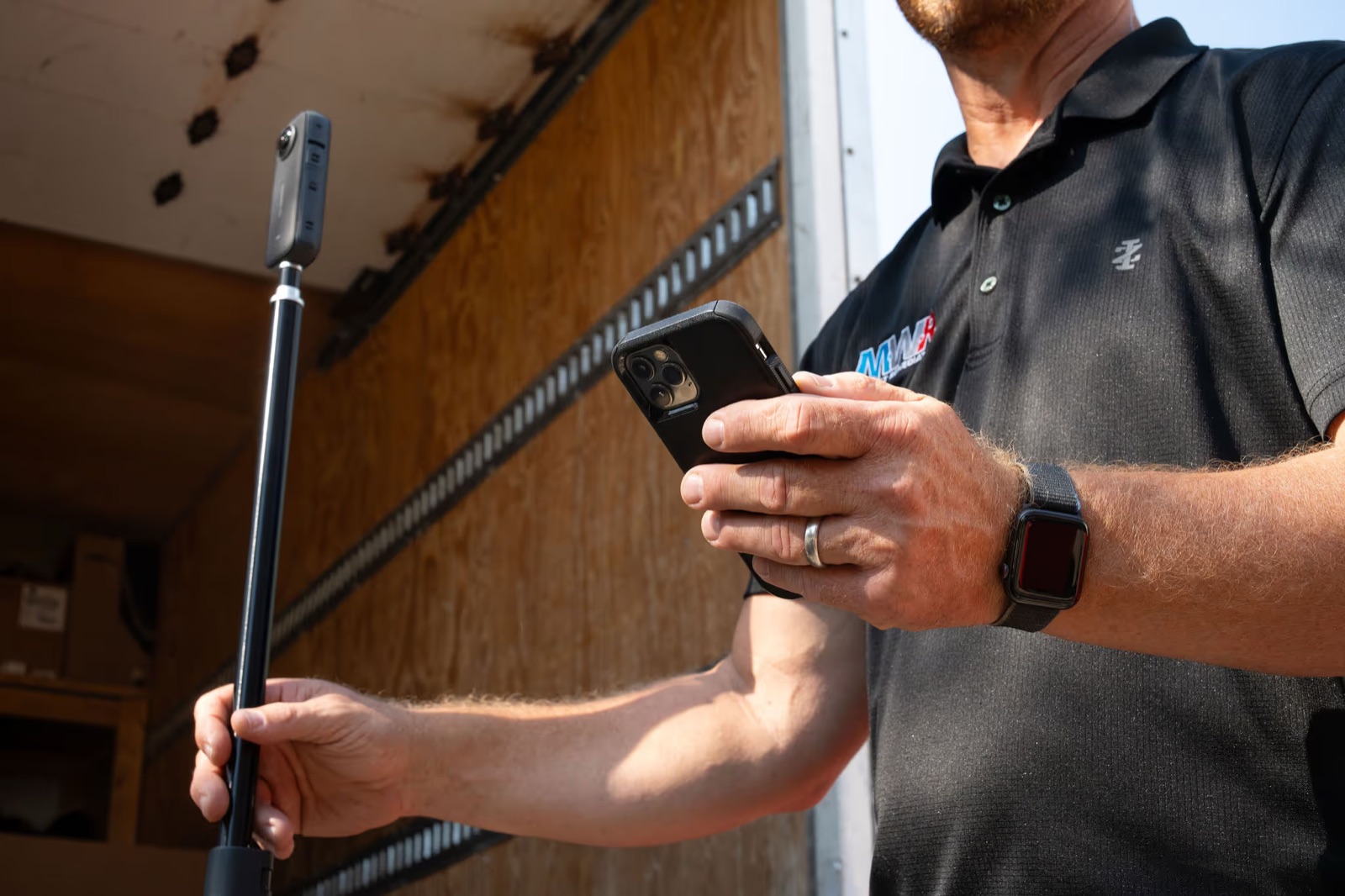
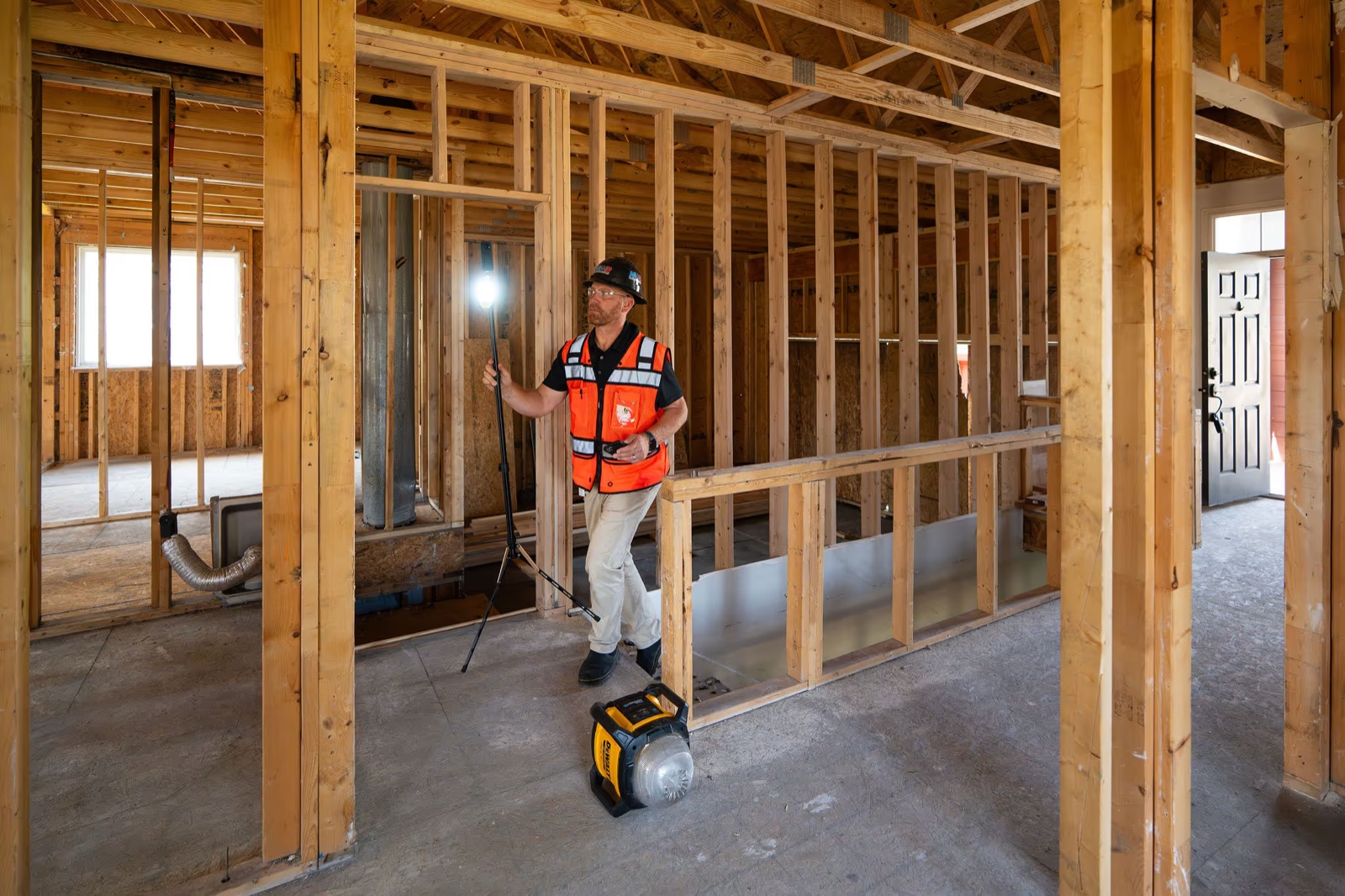
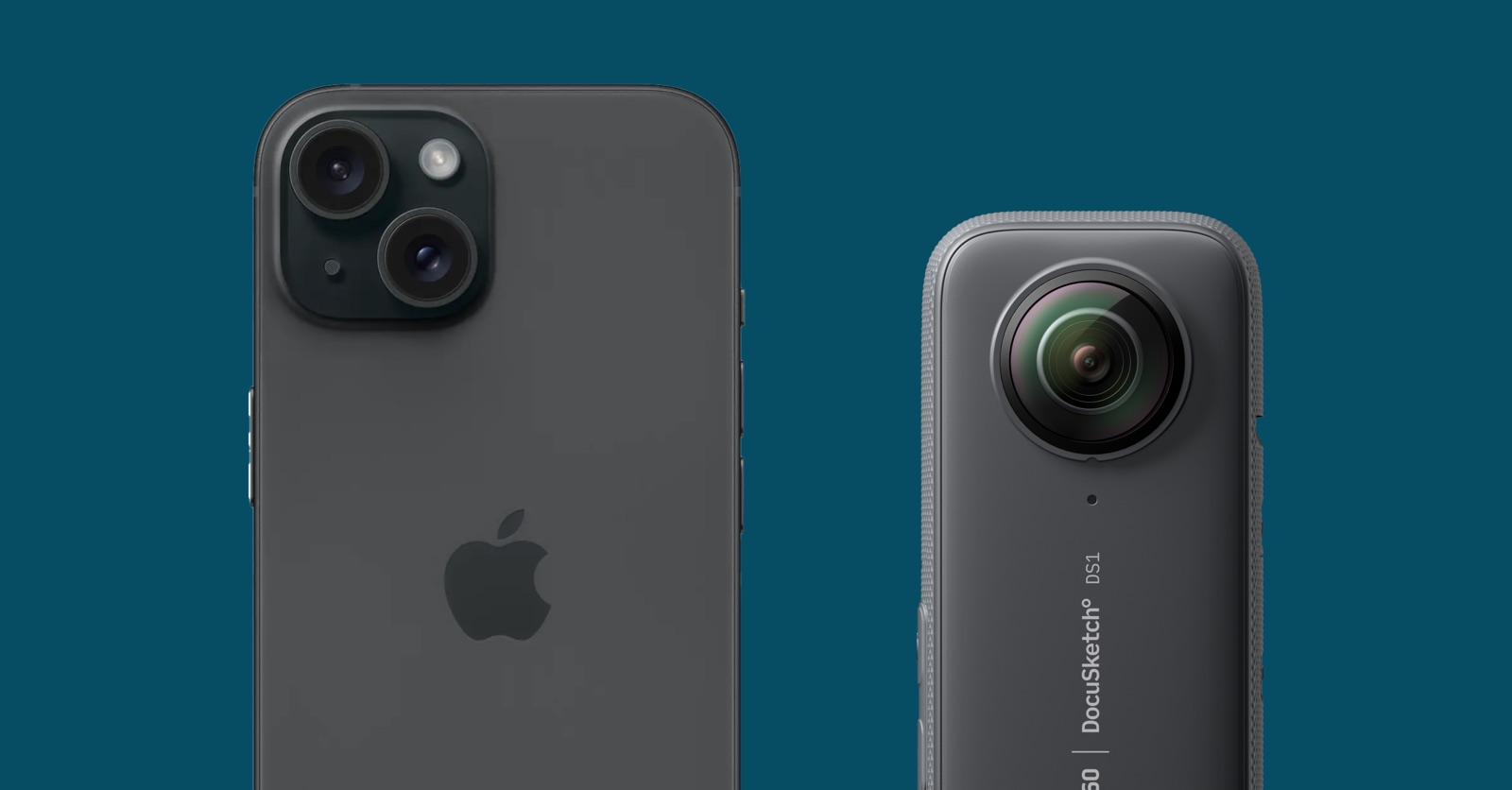
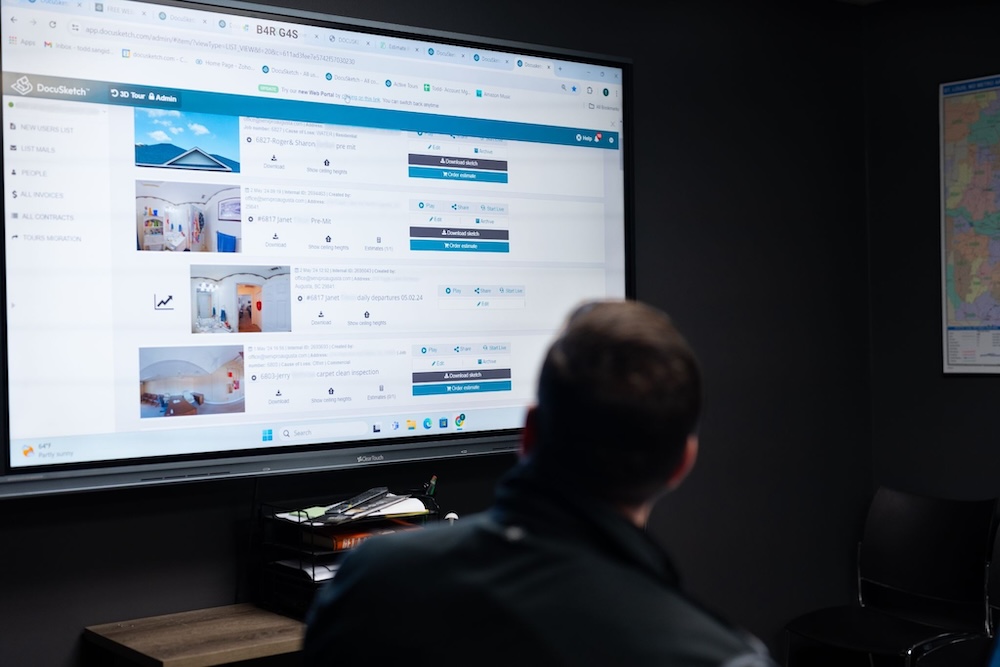
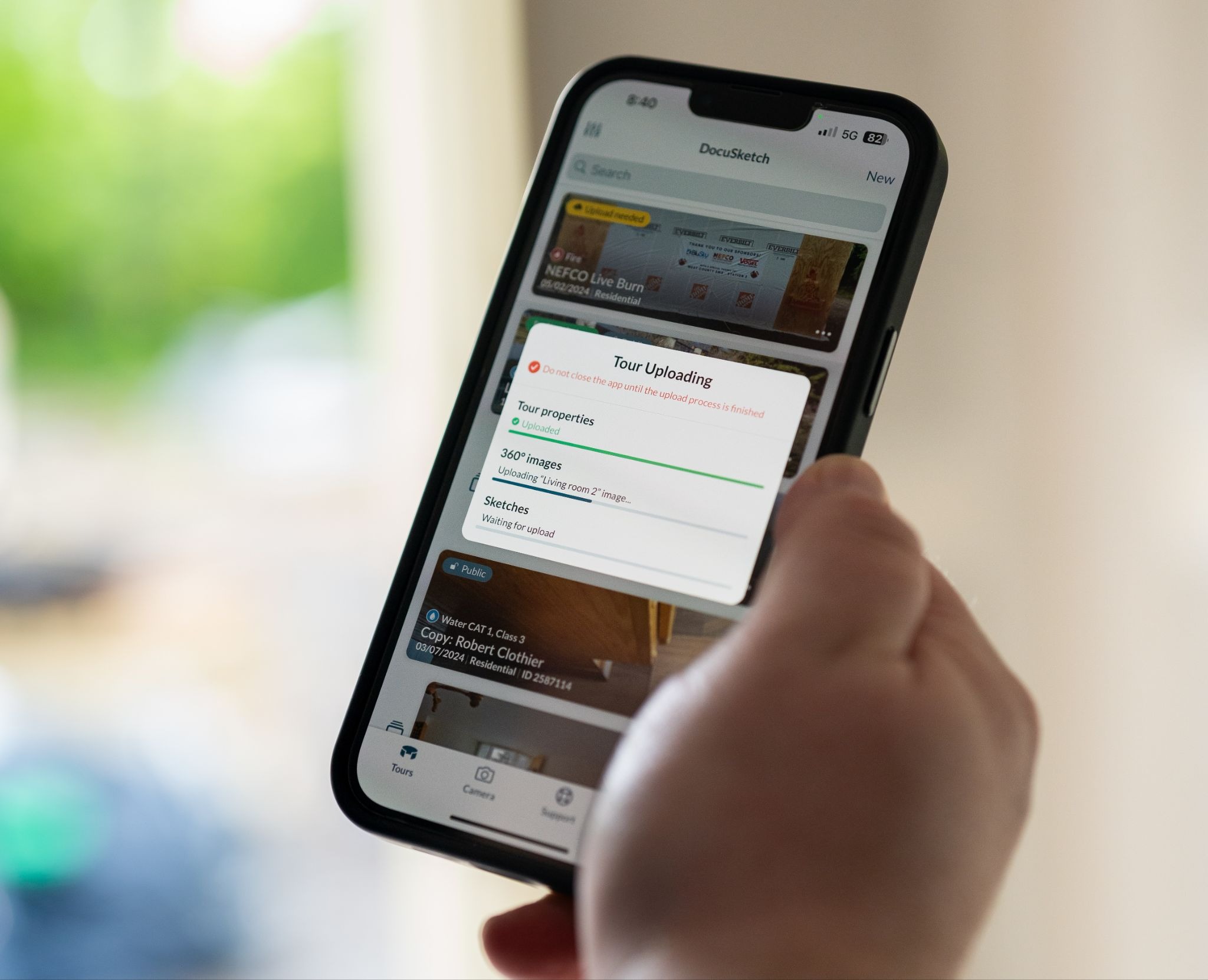
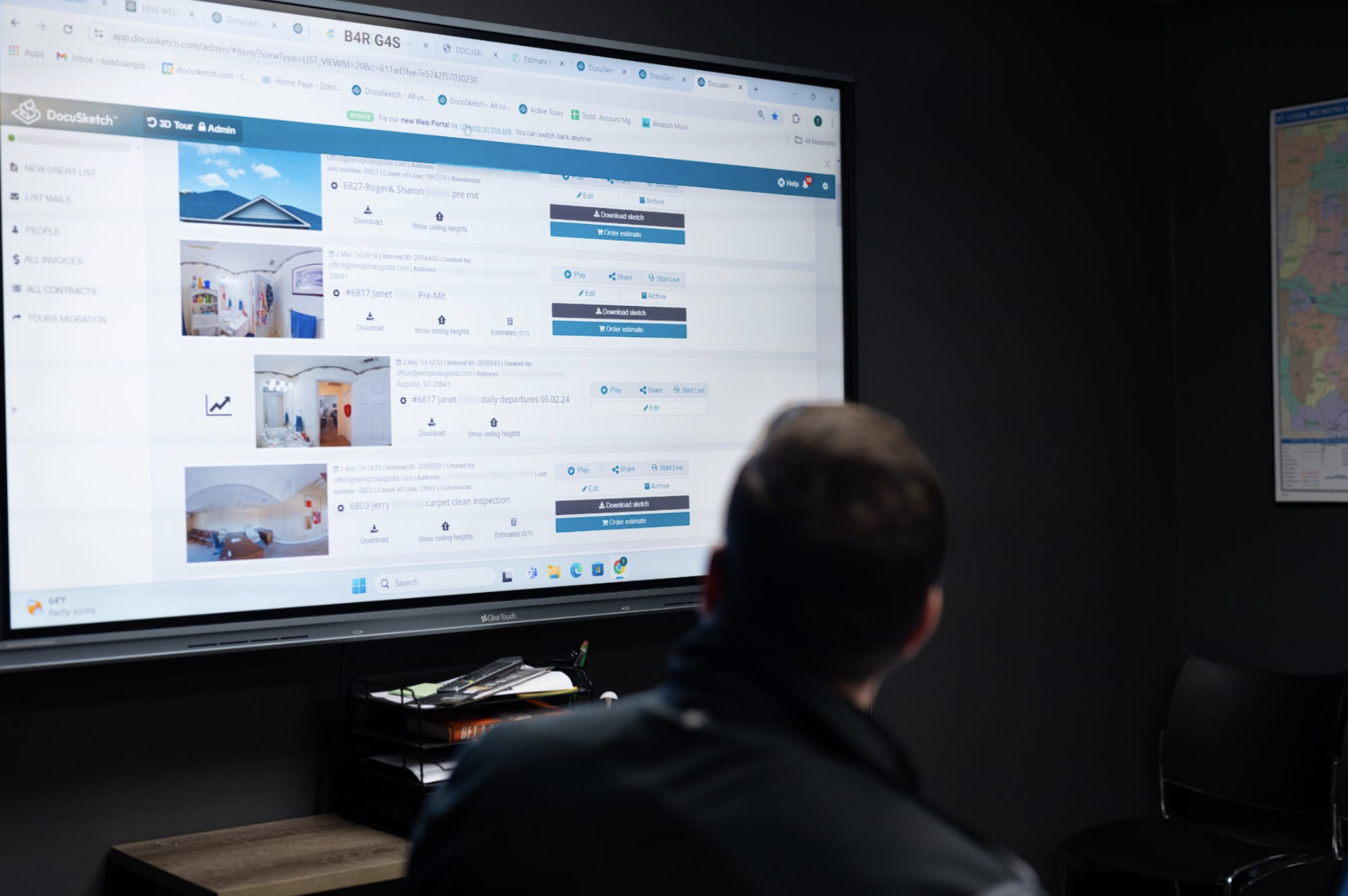
A structured 360-degree documentation workflow lets your teams capture damage thoroughly and consistently during every first visit. That documentation connects to sketch and estimating workflows, reducing the rework that slows estimate turnaround. Less rework means faster approvals, faster project starts, and better cash flow.
It also produces better documentation for insurance carriers. Clean, complete documentation reduces supplemental requests, adjuster delays, and the back-and-forth that can stretch a job timeline by weeks.
Conclusion: PPC Is a Starting Point, Not a Silver Bullet
For restoration companies, PPC is one of the most direct ways to put your business in front of homeowners who need you right now. The fundamentals aren't complicated: target emergency-intent keywords, protect your budget with negative keywords, send traffic to dedicated landing pages, and track what actually converts into booked jobs.
But the contractors who get the most out of PPC are the ones who treat it as one part of a larger system. Ads generate calls. Operations have to handle them. Documentation and estimating have to move fast enough to keep up with the volume. All three have to work together.
Start with the basics, measure what matters, and build from there.
If you run a restoration company, you may know that when someone's basement floods at midnight, they're not browsing through a pile of contractor brochures. They're pulling out their phone and searching for help right now.
That urgency is exactly why paid digital advertising, or Pay-Per-Click (PPC), can be one of the most effective ways for restoration companies to capture emergency demand.
PPC stands for pay-per-click. It's a form of online advertising where you create an ad, and instead of paying a flat fee to run it, you only pay when someone clicks on it and visits your website or calls your business. Platforms like Google let you bid on specific search terms, so when someone searches "water damage restoration near me," your ad can appear at the top of the results. You're not paying for the ad to be seen. You're paying for the click.
This guide is designed to give restoration business owners a working knowledge of how PPC works, what the key concepts mean, and how to approach it strategically. Think of it as a vocabulary and orientation course before you dive deeper or bring in professional help.
A note before we start: When you first launch a PPC campaign, you need to set aside a testing period budget. This is money spent over the first few weeks or months while you and your team figure out which keywords, ads, and audiences actually bring in customers. During this phase, some of that spend won't convert into jobs, and that's expected. An account that isn't set up correctly can drain that testing budget quickly without giving you the data you need. For many restoration companies, it's worth investing in professional help to build out your account and campaigns, at least in the beginning. This guide will help you understand what they're doing and ask the right questions.
Why PPC Works So Well for Water Damage Restoration And What to Look Out For
Restoration work, especially water damage, is what marketers call "emergency intent" search territory. That means the person searching isn't casually comparing options. They need help now, and many will call the first credible result they find.
That dynamic makes PPC a strong fit for the industry. The gap between "searched" and "hired" can be just minutes. High-intent searches are where paid ads shine.
However, if not set up correctly, PPC campaigns can underperform for restoration companies. Two issues tend to come up most often.
- Paying for the wrong clicks. Without a well-organized keyword strategy, your ads show up for searches that have nothing to do with a paying customer, like homeowners trying to fix a small leak themselves.
- Not converting the right leads fast enough. Even a great ad campaign can produce zero revenue if your phone goes unanswered after hours or a lead goes cold while waiting for a callback.
If you’re investing in PPC for your restoration business, we want to see: calls coming in, booked inspections, and a clear cost per booked job you can measure and improve over time. If you want to read more about the bigger picture of growing your business through marketing, our restoration company marketing strategies guide is a useful starting point.
Which PPC Channels Matter for Restoration
A PPC channel is the platform or ad format where your paid ads run. Different channels reach people at different points in their search, and restoration companies may see great results from two channels in particular.
1. Google Search Ads
Google Search Ads are the most common form of PPC advertising. They appear at the top of Google search results when someone types in a query that matches keywords you're targeting.
2. Local Service Ads
Local Service Ads (LSAs) are a separate Google product that operates differently from standard Search Ads. Instead of paying per click, you pay per lead, and Google verifies your business through a background check and license validation process before your ads run.
Step-by-Step Keyword Strategy for Water Damage Restoration Google Search Ads
A keyword in PPC is simply the search term (or category of search terms) you're telling Google you want your ad to appear for. Keyword strategy is the process of deciding which terms to target when people are searching, which to avoid, and how tightly to control when your ads show.
LSAs and Search Ads Together
LSAs and standard Google Search Ads work well in parallel. LSAs capture the very top of the results page for high-intent searches. Search Ads give you more control over messaging and cover a broader range of keywords. Running both, even at modest budgets, maximizes your visibility for the most valuable searches.
Build Your Keyword List Around Emergency Intent Buckets
The most valuable keywords for restoration PPC describe a problem happening right now. Group them into a few categories to keep your campaigns organized.
Immediate emergency searches: These are the highest-priority terms because the person needs help today.
- water damage restoration near me
- emergency water removal
- flooded basement cleanup
- burst pipe water cleanup
- 24 hour water damage service
Problem and service searches: These indicate someone dealing with an active issue but searching in slightly less urgent language.
- water extraction services
- water mitigation company
- wet carpet drying service
Location-modified searches: Adding a city or neighborhood to any of the above can increase relevance and reduce irrelevant clicks.
- [service] + [city] (e.g., "water damage restoration Denver")
- [service] + [neighborhood] (e.g., "flood cleanup South Austin")
The Negative Keyword List That Protects Your Budget
A negative keyword is a term you explicitly tell Google not to show your ad for. This is one of the most important budget protection tools in PPC.
Without a strong negative keyword list, your water damage ads might show up for someone searching "how to fix water damage yourself" or "water damage restoration job openings." Those clicks cost you money and rarely convert into jobs.
Build exclusions around these categories:
- DIY and how-to searches: "how to dry carpet," "diy water damage repair," "home remedies for mold"
- Job seekers and training: "restoration technician jobs," "IICRC certification course," "water damage training"
- Non-relevant "restoration" searches: "car restoration," "furniture restoration," "antique restoration"
- Free or ultra-budget intent: "free water damage inspection" (unless you offer it), "cheapest water damage company"
Maintaining and expanding your negative keyword list is ongoing work, not a one-time setup task. Review your Search Terms report regularly in Google Ads to see exactly what searches triggered your ads.
Match Types: How Tightly Google Interprets Your Keywords
When you add a keyword to a Google Ads campaign, you can control how flexibly Google interprets it using something called a match type.
Broad match allows Google to show your ad for searches related to your keyword, even if the exact words aren't present. This gives Google a lot of latitude and can introduce irrelevant traffic quickly.
Phrase match shows your ad when the search includes your keyword phrase (or a close variant) in that order, with other words allowed before or after.
Exact match shows your ad only when the search query closely matches your keyword, with minimal variation allowed.
For restoration companies just starting out, phrase and exact match offer more control and protect your budget while you build data. Google's documentation on match types is a helpful reference if you want to go deeper on how each one behaves.
Ads That Convert in Restoration: What to Say (And What to Avoid)
Writing ad copy that generates calls in the restoration industry comes down to a few core elements. For a broader look at sales strategy, see our guide to increasing restoration company sales.
Effective ads for water damage restoration tend to include:
- Speed and availability signals: "24/7 Emergency Response," "On-site in 60 Minutes" (only use these if they're operationally true)
- Local proof: How long you've been in business, the service area you cover, any certifications you hold (IICRC, for example)
- Insurance-friendly language: Phrases like "We Work With All Carriers" or "Direct Insurance Billing" reduce friction for homeowners worried about the claims process
- Specific services: "Certified Water Extraction," "Moisture Detection," "Structural Drying" signal expertise to someone who has already been researching
What to avoid: vague superlatives ("best restoration company," "top-rated service") without specifics to back them up. These phrases often appear in other ads and don't give the searcher a reason to choose you.
One practical research step: look at what your local competitors are running. You can use Google's Ad Transparency Center to browse active ads from any business. Pay attention to which offers are overused in your market and find gaps your ad can fill.
Landing Pages Built for Calls and Bookings
A landing page is the web page someone sees after clicking your ad. It’s designed to help a homeowner in need of help learn how to work with you.
The Restoration Landing Page Checklist
Above the fold (the portion visible before scrolling):
- A click-to-call phone number, large and prominent
- Your service area and availability (e.g., "Serving the Greater Phoenix Area, 24/7")
- Trust signals: Google rating, years in business, relevant certifications
Mid-page:
- A brief explanation of what happens when someone calls: set expectations so the visitor knows what to expect next
- A simple overview of your process from inspection to mitigation to restoration, written in plain language, not industry jargon
Bottom of page:
- A short contact form for visitors who prefer not to call: name, phone number, address, and a brief urgency question
One Landing Page Per Primary Service
Your ad should send visitors to a specific landing page depending on the type of damage they’re looking for help with. If your budget supports it, consider separate pages for sub-services like basement flooding or burst pipe response.
The more specific the match between the ad and the landing page, the better your results tend to be. Conversion rate is the percentage of people who land on your page and actually call or fill out your form. Cost per lead is the total amount you spend divided by the number of those calls or form submissions you receive. A tighter match between ad and landing page usually means a higher conversion rate and a lower cost per lead.
Local Service Ads for Restoration Companies: Setup, Optimization, and Common Pitfalls
Local Service Ads (LSAs) appear at the very top of Google search results, above all other paid ads. They display your business name, average review rating, and a verification badge. You pay per lead (a call or message), not per click.
To run LSAs, you go through Google's verification process. For restoration companies, this typically involves confirming your business license, insurance, and passing a background check. Once approved, you're eligible for the Google Guaranteed badge, which can meaningfully increase trust with homeowners.
Setting Up Your LSA Profile
- Select your service categories carefully. Only choose categories where you actually do the work and want the leads.
- Set your service area to match your actual operating radius. Overly broad service areas can increase your lead costs without improving your results.
- Collect and respond to Google reviews consistently. Your review count and rating affect how prominently your LSA shows.
Managing Your LSA Budget
With LSAs, you set a weekly budget, and Google charges you per lead. You can dispute leads that don't meet your criteria (wrong service area, wrong service type, spam calls) through the Google Local Services dashboard. Review your leads regularly and dispute appropriately. In many cases, this is one of the budget levers that get overlooked.
Turning PPC Wins Into Profit: The Operational Follow-Through Most Guides Ignore
Most PPC guides stop at the click. But in restoration, what happens after the click determines whether you actually make money.
Speed-to-Lead System
When someone calls from a PPC ad, there's a good chance they've already called or are about to call a competitor. How fast you answer and how well you handle that first call determines whether you book the job.
Set clear standards for call answering. What happens when all lines are busy? Who handles after-hours calls? These aren't marketing questions, but they directly affect your return on ad spend, or ROAS: how much revenue you make back for every dollar you spend on ads. Answering calls quickly and consistently makes sure the effort you're putting into your ads pays off when someone calls in from them.
A basic intake script helps, too. Capture location, urgency level, type of damage, whether it's insurance-related, and any immediate safety concerns. That information lets you dispatch the right crew with the right equipment and sets the customer's expectations before anyone arrives on site.
Don't Scale Faster Than Your Systems Can Handle
When PPC starts working and lead volume increases, documentation and estimating speed become a bottleneck. Our guide to growing your restoration business covers the operational side of scaling in more depth.
A structured 360-degree documentation workflow lets your teams capture damage thoroughly and consistently during every first visit. That documentation connects to sketch and estimating workflows, reducing the rework that slows estimate turnaround. Less rework means faster approvals, faster project starts, and better cash flow.
It also produces better documentation for insurance carriers. Clean, complete documentation reduces supplemental requests, adjuster delays, and the back-and-forth that can stretch a job timeline by weeks.
Conclusion: PPC Is a Starting Point, Not a Silver Bullet
For restoration companies, PPC is one of the most direct ways to put your business in front of homeowners who need you right now. The fundamentals aren't complicated: target emergency-intent keywords, protect your budget with negative keywords, send traffic to dedicated landing pages, and track what actually converts into booked jobs.
But the contractors who get the most out of PPC are the ones who treat it as one part of a larger system. Ads generate calls. Operations have to handle them. Documentation and estimating have to move fast enough to keep up with the volume. All three have to work together.
Start with the basics, measure what matters, and build from there.

Related Articles






%20(1).jpg)