Social Media Marketing for Restoration Companies: Proven Strategies to Grow and Streamline Your Business

5 min read
Let's be honest: if you're running a restoration company, social media probably isn't your top priority. You're dealing with emergency water calls at 2 AM, managing field crews, chasing down insurance payments, and trying to keep your business profitable in an increasingly competitive market.
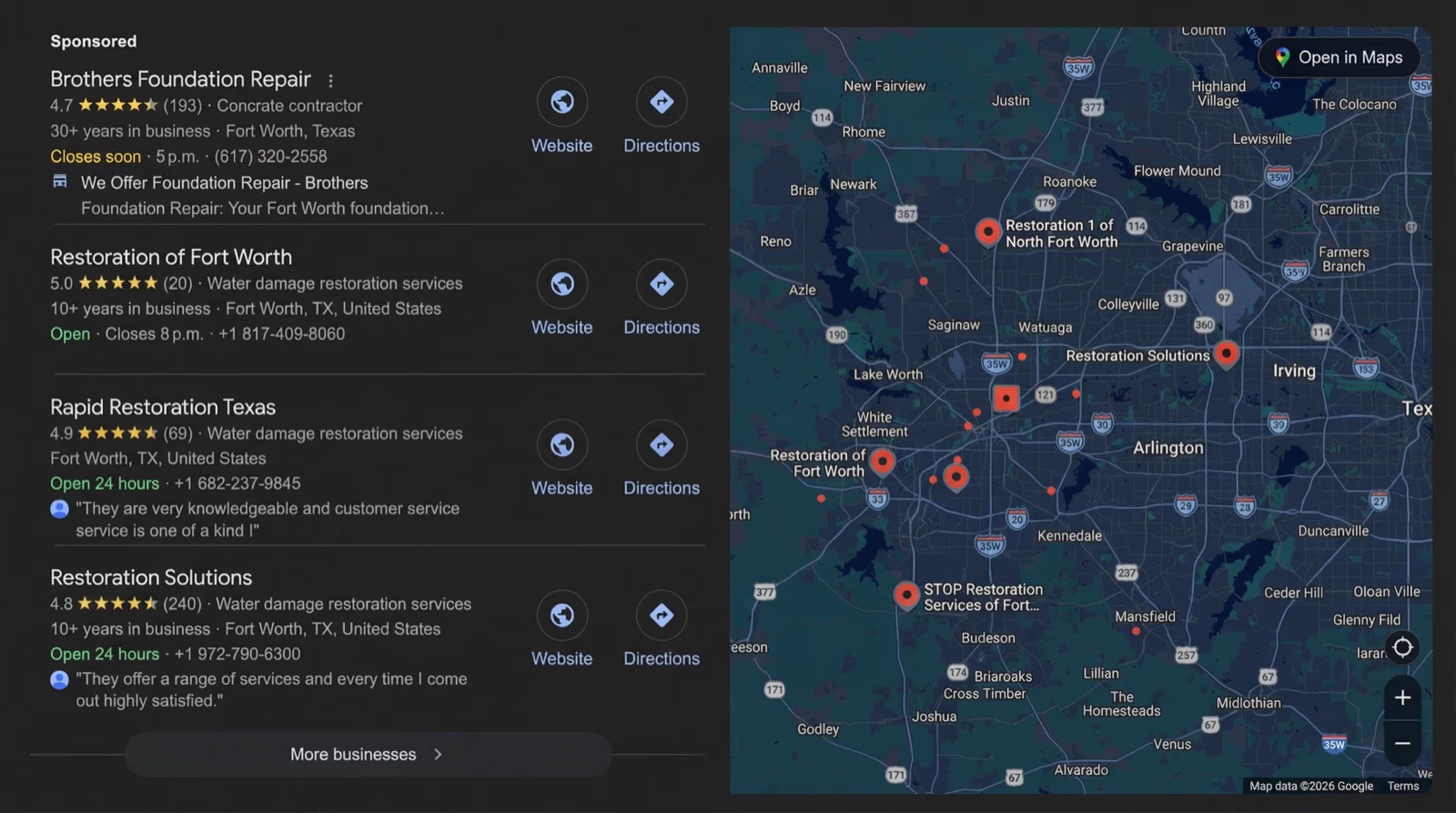
When a homeowner's basement floods in the middle of the night, their first move is a quick Google search. They scan the reviews. Then they pull up your Facebook page, your Instagram, your LinkedIn—not to browse, but to verify. By the time they call, they've already decided whether they trust you.
The good news is that social media for restoration companies doesn't have to be complicated or time-consuming. This guide will walk you through practical strategies tailored specifically for the restoration industry, from choosing the right platforms to measuring real results. All from a beginner's perspective.
Where Social Media Fits in Your Company's Marketing Strategy
Social media isn't a magic bullet that will flood your phone with emergency calls overnight. Think of it as the relationship-building layer of your marketing. While Google and paid ads help people find you when they need restoration services, social media helps them trust you before they call.
Your potential customers are making decisions about contractors based on what they see online. Homeowners are checking your pages before they call. Property managers are looking at LinkedIn profiles. Insurance adjusters are googling your company name to see what comes up.
The Benefits That Matter for Restoration Businesses
Local Recognition and Trust
When a homeowner searches your name after a neighbor's recommendation or pulls up your profile while standing in a flooded kitchen at midnight, what they find on social media determines whether they call. Consistent, credible content means that when they go looking, you look like someone worth trusting.
Adjuster and Property Manager Relationships
Insurance adjusters and property managers are online. Your social media presence influences their perception of your professionalism and capabilities. A well-maintained social media profile signals that you're tech-forward, organized, and invested in your reputation. If you're serious about building a strong restoration marketing strategy, social media is part of that foundation.
Operational Efficiency Through Documentation
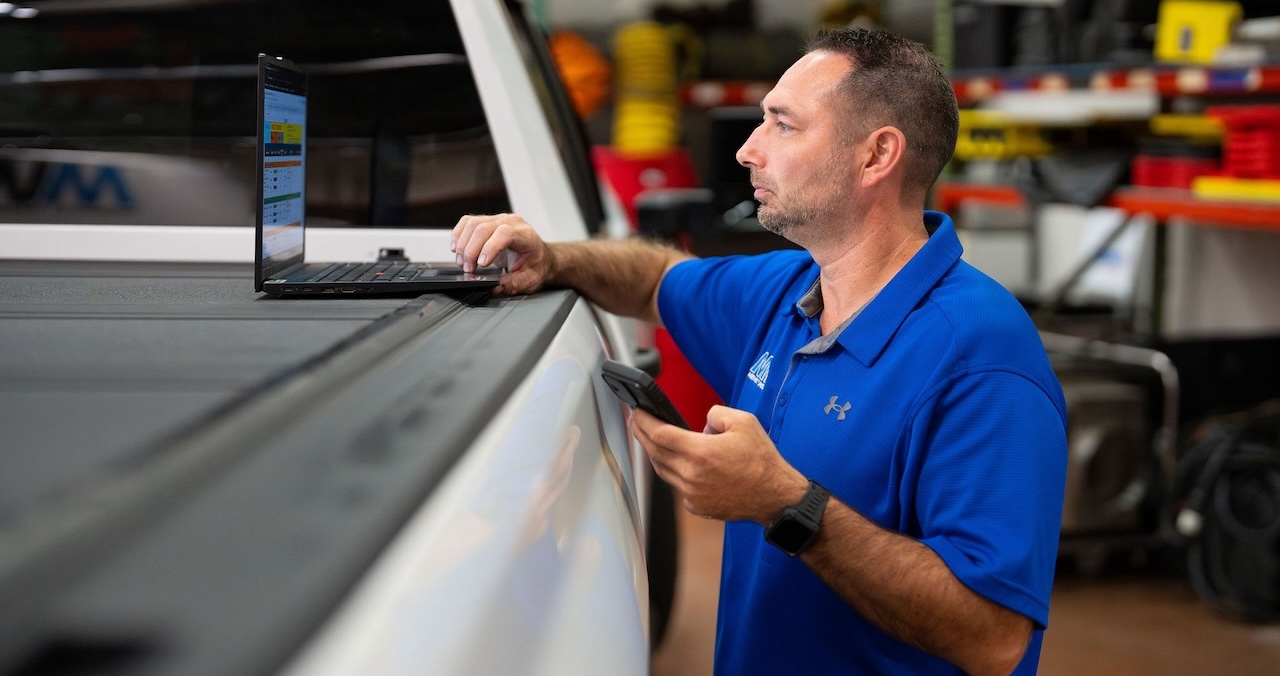
Here's where restoration social media differs from general contractor marketing: your best content is created during your actual work. With the right documentation tools, you're capturing compelling visual content as part of your normal workflow, not as a separate marketing task. We'll explore this more below.
Recruiting and Team Building
Social media helps you attract quality technicians by showcasing your company culture, technology investments, and work environment. Finding customers matters, but so does building the team you need to serve them.
Start With Why: Know Your Goal
Before we dive into which platforms to use, let's talk about something more important: why you're doing this at all.
Don't do social media just to check a box. I see this constantly: companies posting because they think they're supposed to, not because they have a clear objective. That's a waste of time.
Ask yourself: what are you actually trying to achieve?
Are you trying to drive more sales? Then you need to track revenue directly tied to social media activity. Are you building brand recognition in your community? Then you're measuring local engagement and visibility. Are you trying to hire better technicians? Then you're focused on showcasing company culture and tracking job applications. Maybe you just want to be "out there" and visible. That's fine too, but be honest about it.
Your goal determines everything else: which platforms you use, what content you create, how you measure success. Figure out your why first. Then you can figure out your audience. And that's what determines the best platforms to be on.
Choosing the Right Platforms for Your Restoration Business
You don't need to be everywhere. You need to be where your specific audience is paying attention. Let's break down which platforms actually matter for restoration contractors.
Facebook: Local Targeting and Community Trust
Facebook remains one of the most practical platforms for local restoration businesses, particularly for residential work. According to a 2024 analysis of consumer behavior, 49% of consumers used Facebook to find local businesses—making it the top social media platform for local business discovery, sitting behind only Google Search and Google Maps. Homeowners aren't passively scrolling past your posts; they're actively using Facebook to research and vet local service providers.
Facebook works because you can target specific zip codes with ads before disaster strikes. You can build relationships in neighborhood groups where homeowners ask for contractor recommendations. Before-and-after photos and transformation galleries perform well in Facebook's algorithm. When severe weather hits, your Facebook presence becomes a community resource.
Join and participate authentically in local community groups, don't just drop your business link. Use Facebook's local service ads to appear when people search for "water damage restoration near me." Create albums organized by project type: water damage, fire restoration, mold remediation. Share storm preparation tips before major weather events to position yourself as a community resource, not just someone trying to sell services.
Instagram: Visual Storytelling
Instagram is your visual portfolio. This is where you showcase the transformation work that builds credibility and attracts both homeowners and commercial clients. And despite its reputation as a younger-skewing platform, Instagram's audience spans a wide range of ages. Homeowners across generations use it to browse before-and-after transformations, follow local businesses, and verify a contractor's quality before calling.
Instagram works because it's visual-first, which is perfect for before-and-after content. Short, authentic clips of your team in action, called Reels and Stories, perform exceptionally well. Behind-the-scenes content shows the human side of your business.
Use Instagram Stories to document project progress in real-time. Since these disappear after 24 hours, they don't need to be perfect. Create highlight reels (saved Stories that stay on your profile) for different services: "Water Damage," "Fire Restoration," "Emergency Response." Post before-and-after transformations with detailed captions explaining the scope of work. Share team member spotlights to humanize your brand and support recruiting efforts.
Ben Justesen, Industry Expert, has noticed a shift: "Reels are what engage people now. They're binge-watching moments instead of just scrolling their regular feed. If you're doing videos, make them quick. Think about cooking reels where you get the whole recipe in 30 seconds. That's what captures attention." The sweet spot: dramatic transformations condensed into 15-30 seconds, showing the chaos-to-completion journey without requiring people to watch a long video.
LinkedIn: Strategic B2B Networking
LinkedIn isn't just for corporate professionals. It's increasingly important for restoration contractors building relationships with commercial property managers, insurance adjusters, and TPAs (third-party administrators who handle insurance claims).
Holly Baldwin, from DocuSketch, sees a major missed opportunity on LinkedIn: "When people are on LinkedIn, they want to see what other companies are doing—the real work, the projects, the challenges you're solving. But too many contractors aren't posting that business side." Keep LinkedIn focused on substance: project updates, industry insights, operational wins, lessons learned. This is where you demonstrate expertise and build professional credibility.
Have your leadership team create and maintain personal LinkedIn profiles. Share industry insights, technology updates, and operational best practices. Write posts about industry trends: inflation impacts, labor challenges, technology adoption. Connect with insurance adjusters and claims professionals in your territory. Participate in restoration industry groups with thoughtful comments, not just promotional posts.
Reddit: Peer Credibility and Homeowner Trust
Reddit might not be on your radar, but it's worth considering for two distinct audiences.
For homeowners, subreddits like r/HomeImprovement, r/WaterDamage, and local city subreddits are where people go when they don't know what to do next. Someone wakes up to a flooded basement at 2 AM and their first move is often Reddit: "Is this mold?" "Do I need a contractor or can I dry this myself?" "Does my insurance cover this?" If you're active in those communities—offering genuine, helpful answers—you're building trust with people at the exact moment they need a professional. You're not selling. You're being the expert who shows up when it matters.
Subreddits like r/HomeImprovement—which draws over 1.4 million weekly visitors—are full of homeowners actively searching for guidance after a loss. Real threads include questions like "Restoration after water damage - how should I proceed dealing with insurance and contractor?", "Basement Water Mitigation - Who to call?", and "Severe Water Damage Insurance Claim: What options do I have if I do not agree with the approved scope of repairs?" These are homeowners in the middle of a loss, confused and looking for a trustworthy voice. Restoration contractors who show up in these conversations with straightforward, helpful answers build the kind of credibility that no ad can replicate.
For restoration professionals, subreddits focused on the trade are where contractors share war stories, troubleshoot challenging projects, ask for advice on equipment or techniques, and discuss industry statistics and trends. Being an active, contributing voice in those spaces builds peer credibility that can translate into referrals and partnerships over time.
Neither use case is about promotion. Reddit rewards authenticity and penalizes anything that smells like a sales pitch. Show up to help, and the business follows.
TikTok: Fast, Authentic Content That Grabs Attention
TikTok is an emerging option for restoration companies primarily focused on recruiting—short, authentic behind-the-scenes content of techs on the job can reach younger workers who wouldn't respond to a job board listing. It's early days for the platform, but the format fits the work.
If you do use TikTok, authenticity wins. TikTok audiences value raw, unpolished content over highly-produced videos. Rapid transformations work well: 15–60 second before-and-after videos align perfectly with TikTok's format. Keep it simple: one person filming on a phone, showing real work in progress. Focus on dramatic transformations, unusual projects, or surprising scope discoveries. Use trending audio where it naturally fits. Don't force it.
If you're uncomfortable or it feels forced, skip TikTok entirely. Authenticity matters more than presence.
YouTube: Authority-Building for the Long Game
YouTube is best understood as a long-term authority channel, not a primary lead source. The value isn't in going viral—it's in building a searchable library of educational content that positions your company as the expert, and that can be repurposed across your other platforms.
Where YouTube earns its place: detailed educational videos (what to do when you discover water damage, how fire restoration actually works, what homeowners should expect during the claims process) can rank in Google search results for restoration-related queries. A single well-produced video becomes raw material for shorter clips on Instagram, Facebook, and LinkedIn. And for homeowners doing deeper research before making a call, a walkthrough video of your restoration process can be the thing that closes the decision.
Roto-Rooter's YouTube channel—built around educational plumbing and water damage content for homeowners—has grown to over 75,000 subscribers and nearly 200 million views. It's proof that "what do I do when I have water damage?" is a question people are actively searching for answers to on video platforms.
That said, YouTube requires consistent investment to see results. If you're not already established on Facebook and LinkedIn, start there first. YouTube makes more sense once you have a content rhythm and a clear reason a homeowner would search for your specific company or topic. If you do commit: keep production simple (smartphone video with clear audio is enough), post on a consistent schedule, and focus entirely on content that answers real questions your customers are asking.
Content Strategies That Speak to Your Audience
The content that performs best for restoration companies isn't corporate marketing. It's authentic, educational, and human. Your audience wants to see the real work, understand the process, and know the people behind the company.
Educational Content: Build Trust Through Teaching
Research from Edelman's Trust Barometer shows that 81% of consumers say trust is a deciding factor when they choose a service provider; and educational content is one of the fastest ways to earn it. When you help homeowners understand what's happening and what to expect, you stop feeling like a vendor and start feeling like a trusted advisor.
Topics that resonate with homeowners: mold prevention tips, what to do immediately after discovering water damage, how to prepare your property before hurricane season, understanding the restoration process (mitigation vs. reconstruction), what insurance actually covers in different damage scenarios.
When you teach homeowners how to prevent damage or respond to emergencies, you're not giving away your business. You're building authority and trust. When they do need professional help, you're the expert they remember.
Customer-Focused Content: Let Your Work Speak
Restoration work is inherently visual and educational. Every water loss, mold remediation, or fire cleanup contains dozens of teachable moments.
Instead of 'Water damage job today,' try: 'Here's why water trapped under flooring causes hidden mold growth.' Instead of 'Another fire restoration complete,' try: 'Smoke damage spreads further than you think. Here's why.' The explanation is what turns a job update into a piece of content worth sharing.
Content types that convert: before-and-after project transformations with detailed captions, customer testimonial videos (even simple smartphone recordings work great), project case studies like "This kitchen looked unsalvageable. Here's how we brought it back," timeline documentation showing restoration progress over days or weeks.
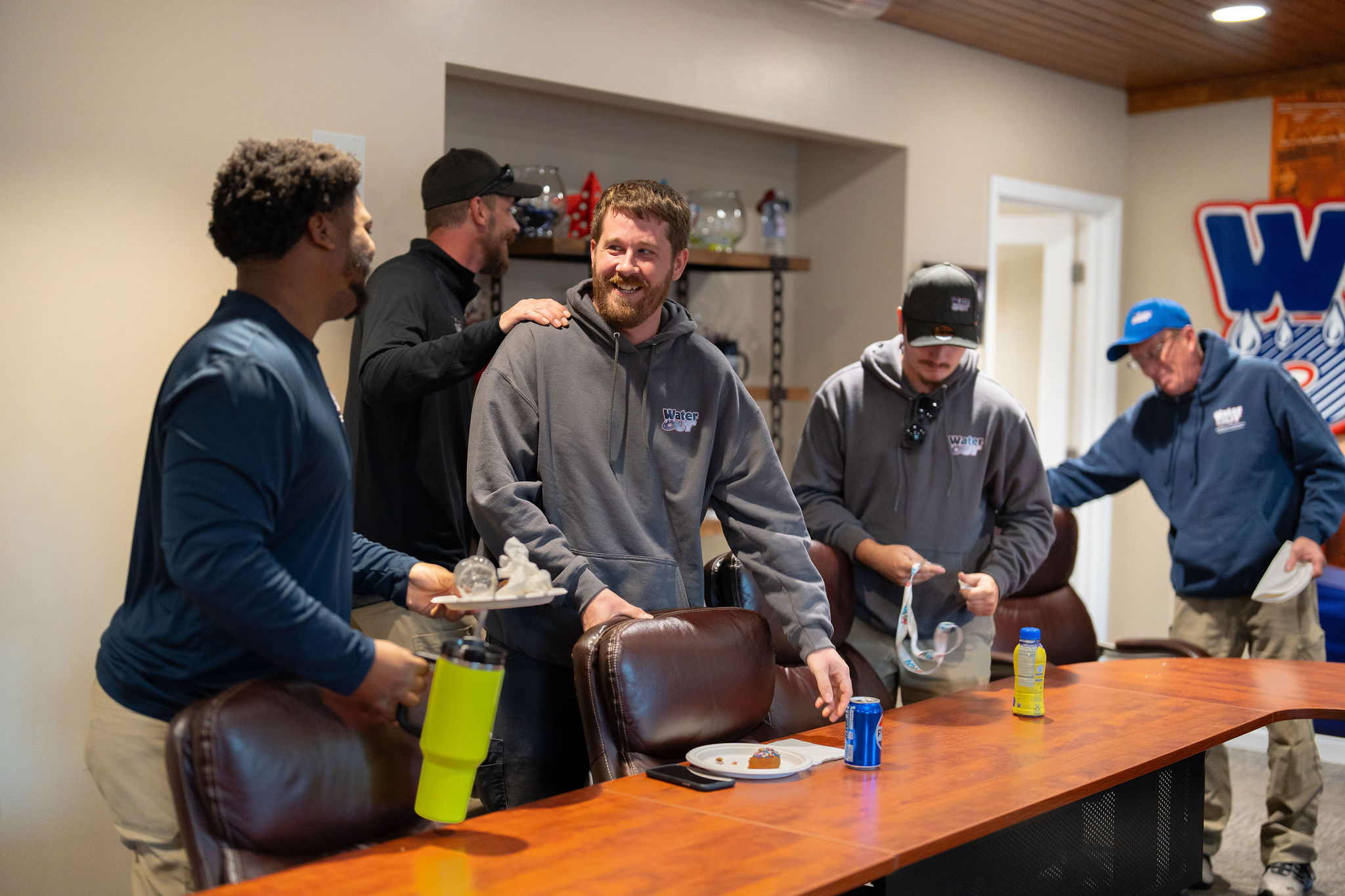
Don't just showcase the work. Showcase the people doing it. Tag the profiles of your team members, highlight their expertise, celebrate work anniversaries, and share behind-the-scenes moments. People hire people, not companies.
Holly Baldwin sees a common mistake restoration contractors make with social media: they post generic call-to-actions without showing the work. "It's just them saying 'hey, call me if you have a loss' instead of posting pictures of actual losses they've handled," she explains. Don't just ask for business. Show the work you've done. Your before-and-after photos, job site progress updates, and completed projects tell people you're capable. The call-to-action works better when it's paired with proof.
High-Engagement Posts: Tag Your Team
Here's the most actionable social media advice you'll get: tag your team members and business partners in your posts.
Ben Justesen discovered this accidentally while running his restoration company. "We'd post before-and-afters, and they'd do okay. But when we tagged our team members and the partners who helped us complete the job? The engagement went up 10x, 20x, sometimes 100x better than our other posts."
Why does this work? Your employees' networks want to see what they're up to. They're genuinely interested in following along with projects. They notice when a company recognizes its people. When you tag your crew members, equipment partners, and restoration collaborators, you give people a real reason to engage with your content.
Timely Content: Be Present During Crisis
When severe weather threatens your area, your social media should activate. Share pre-storm preparation tips and checklists. Announce emergency response availability. Post real-time updates during events: "We're responding to emergency calls. Here's how to reach us." After storms pass, share recovery guidance and resources.
The line between being helpful and being opportunistic can feel thin during disasters. Here's how I think about it: if it directly impacts your community (your city, your physical area, or the restoration industry broadly), you probably should say something. But ask yourself first: is this right for our brand to post about? Is it appropriate and empathetic? Does it resonate with our community? Should we get involved, or is silence more appropriate?
Sometimes silence is okay. You don't need to post about every disaster. But when a hurricane hits your service area and you're actively responding, your community needs to know you're available, how to reach you, and what to expect. That's not opportunistic. That's being a resource. Write from a place of empathy and caring, focus on helping people prepare or recover, and do what's right for your business.
Smart Content Creation: Your Documentation Is Your Content
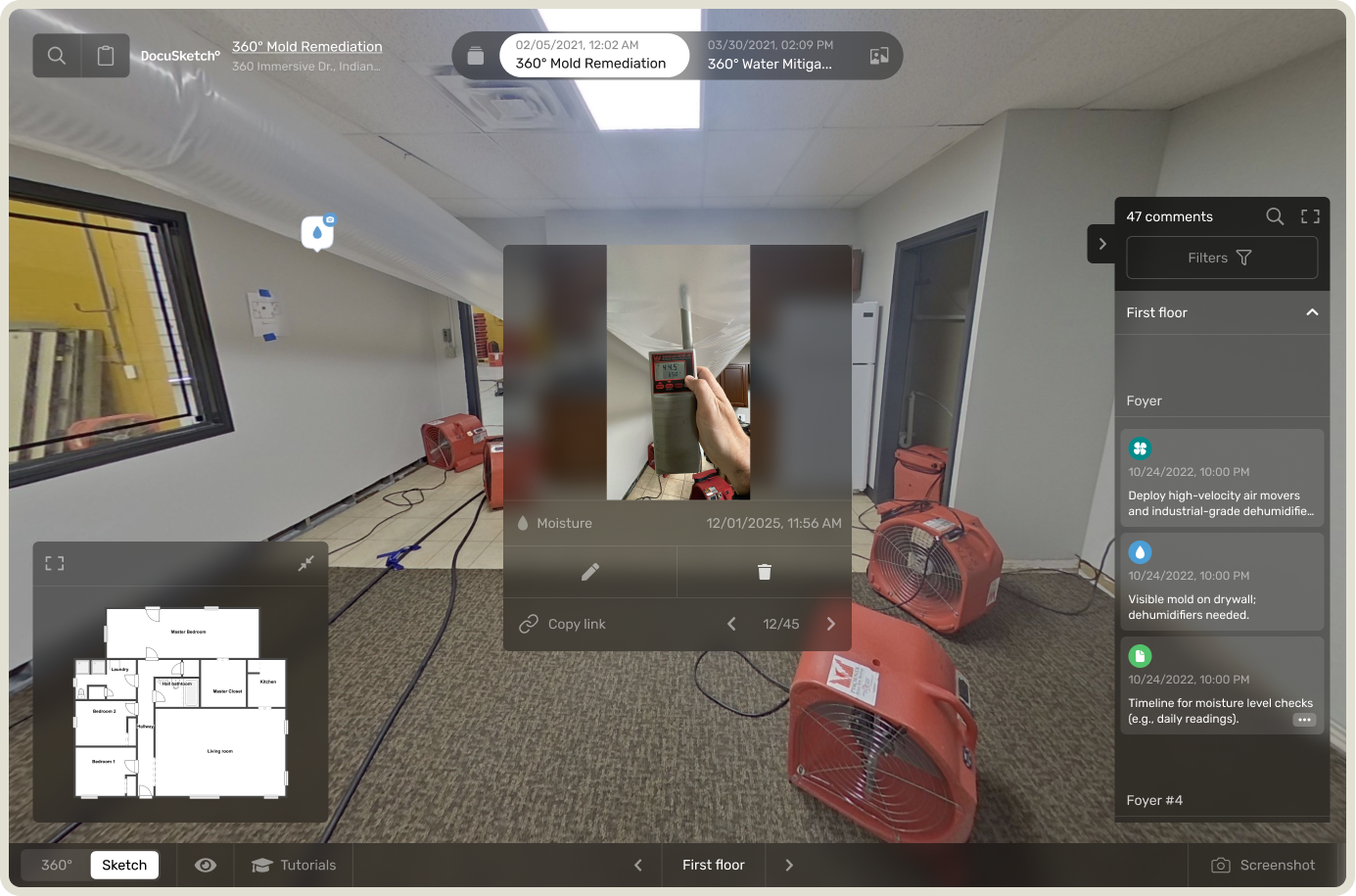
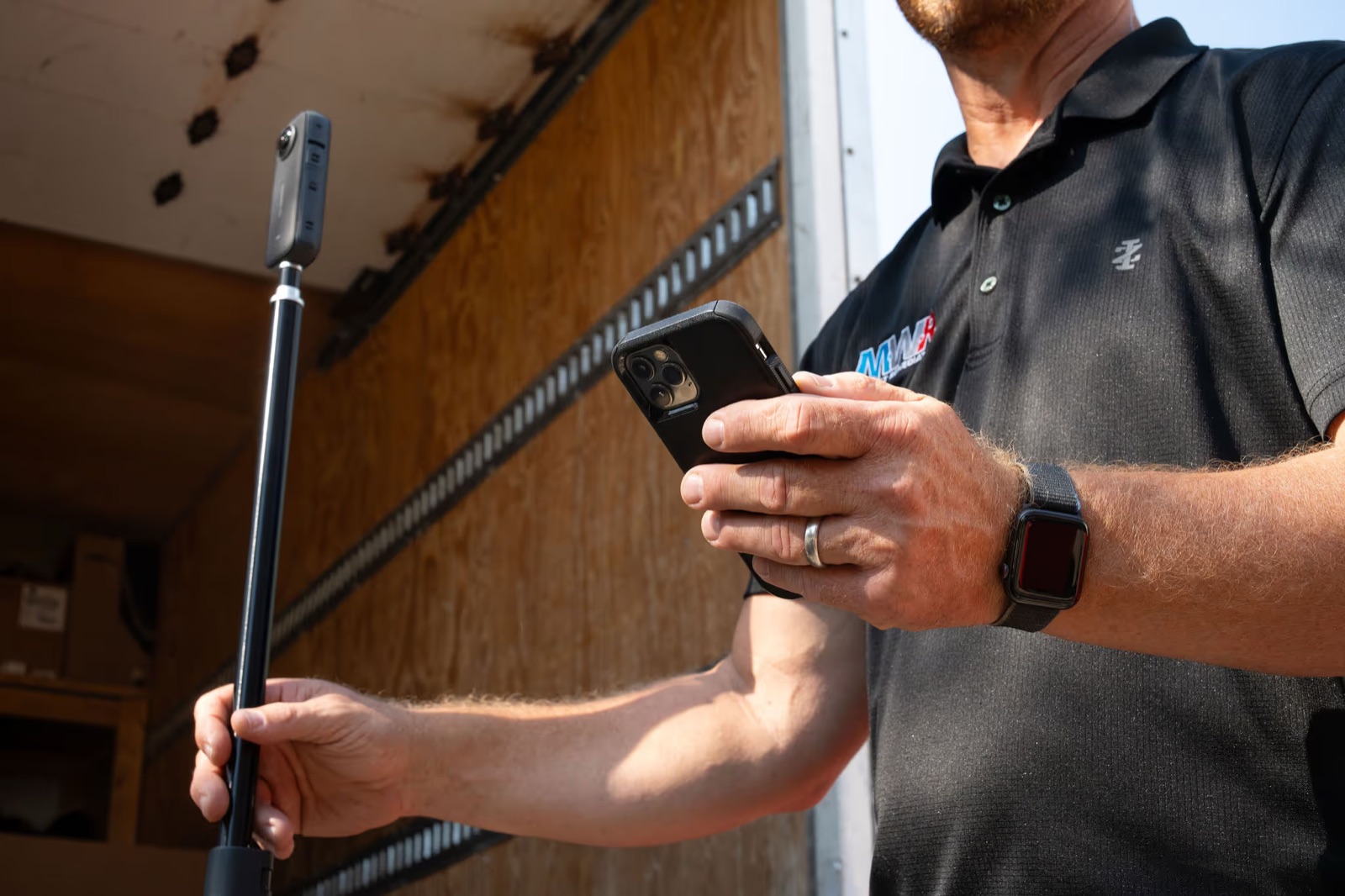
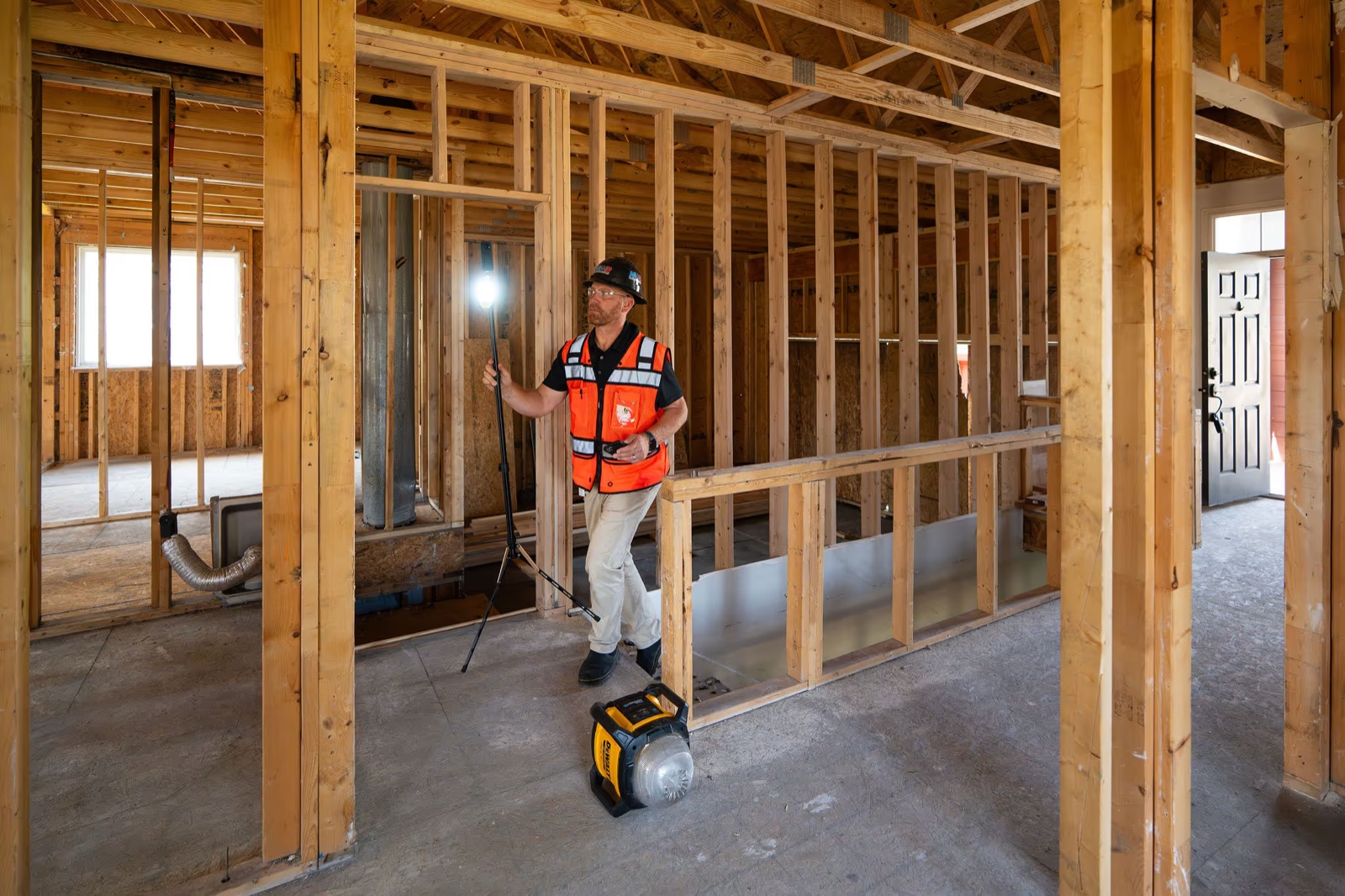
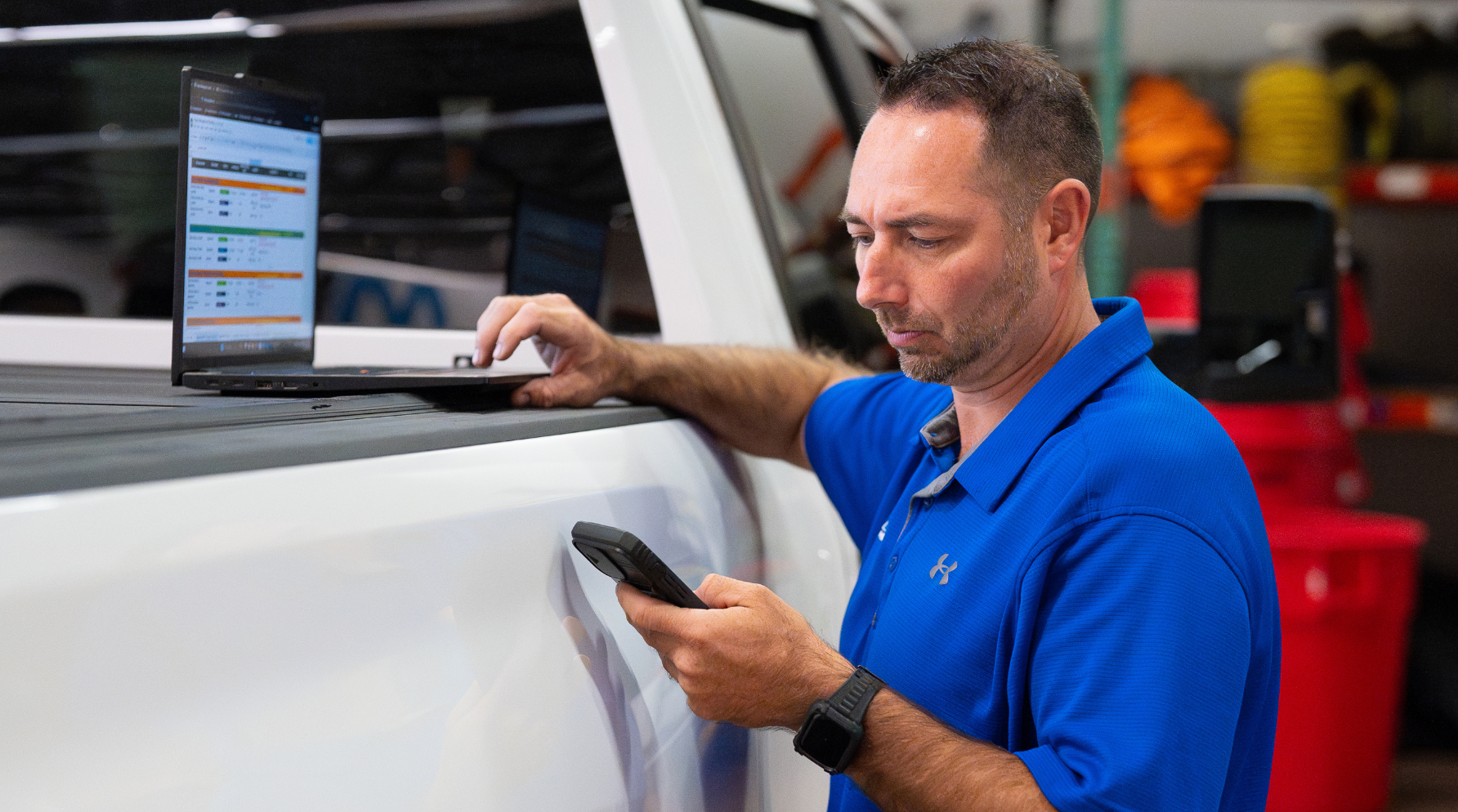
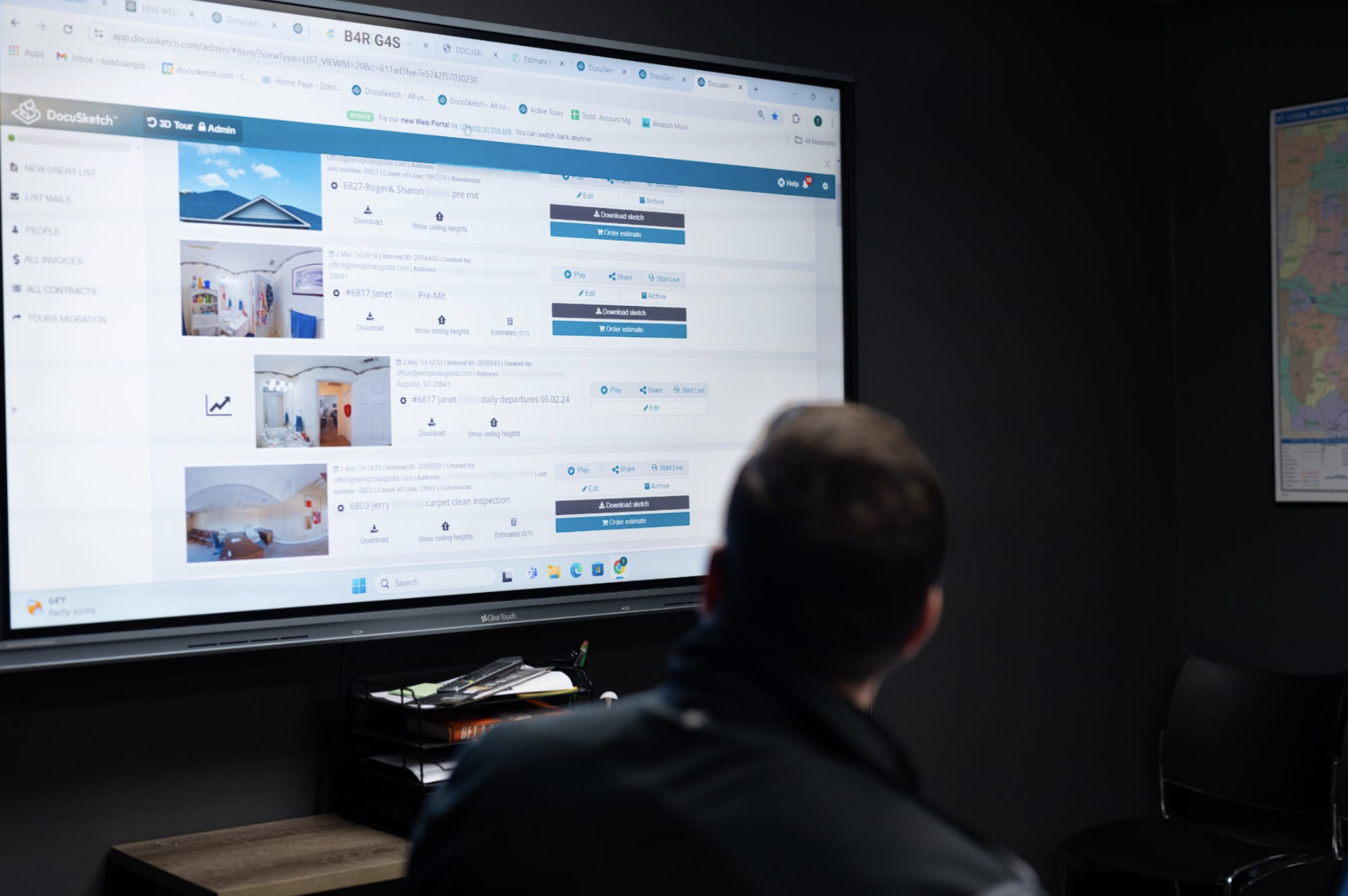
If you're using 360° documentation technology for your projects, you already have compelling visual content built into your workflow. Side-by-side timeline views showing the same room at different restoration stages, immersive walkthroughs of damaged and completed projects, detailed before-and-after comparisons—these make for engaging content across every platform while serving as your insurance documentation. You're not creating marketing content from scratch. You're repurposing what you're already capturing on the job site.
The key is thinking about your documentation as a content library, not just project files. When you capture a kitchen flood restoration, you're simultaneously creating: social media before-and-afters, sales presentation materials, training content for new hires, and evidence for insurance claims. One capture, multiple uses.
Holly has seen contractors take this further: posting timeline tours on LinkedIn to demonstrate their capabilities, and even incorporating 360° documentation images into printed brochures they hand out to property managers and commercial clients. Your documentation becomes a versatile marketing asset across multiple formats—social posts, sales materials, proposal presentations. You're capturing it once for insurance purposes and using it everywhere
In-House vs. Outsourced Social Media Management: What Works Best?
One of the first questions restoration business owners ask: "Should I hire someone or do this myself?" The answer depends on your budget, team capacity, and how central social media is to your growth strategy.
Managing Social Media In-House
Your team knows the business best and can create genuinely authentic content. You can post timely updates during storms or emergencies without waiting on an agency. You save money on monthly agency fees (though you'll still invest time). You have complete ownership of messaging and strategy.
The challenges: consistent posting requires a minimum time investment. Your team may lack social media marketing expertise, design skills, or copywriting experience. When you're busy (which is always), social media falls off the priority list. You risk posting without a cohesive strategy or measurement.
In-house makes sense when you have a team member who's genuinely interested in social media and has capacity. Your budget is tight and you can commit to consistent effort. You want complete control over messaging and response times. You're early in your social media journey and learning what works.
Tools that make in-house management easier: Hootsuite or Buffer (schedule posts in advance across platforms), Canva (create professional-looking graphics without design experience), Later (specifically built for Instagram scheduling and planning), Sprout Social (more robust tool with analytics and team collaboration features).
Outsourcing to an Agency or Freelancer
Professionals understand platform algorithms, content strategy, and analytics. They guarantee regular posting without demanding your time. You get professional design, copywriting, and video editing. They provide data-driven decisions and ongoing optimization.
The tradeoff: professional management comes at a cost, and you generally get what you pay for. Retainers vary widely depending on the agency, scope, and market—it's worth getting multiple quotes and being clear on exactly what's included. Agency content may lack the insider knowledge and authenticity of your team. There may be response delays for timely updates or emergency situations. Agencies need time to understand your business, voice, and industry nuances.
Outsourcing makes sense when you have budget but lack internal capacity or interest. You want to scale your social presence beyond basic posting. You need professional-quality content creation (design, video editing). You're serious about social media as a growth channel and want strategic oversight.
Here's my advice: try most things in-house first before you outsource. That doesn't work for everybody—some companies don't have the capacity or interest—but you should have a good understanding of what you're trying to achieve before handing it to someone else. If you're not good at social media, that's fine. But understand your why and work with an agency partner that will challenge you on it.
Look for thought partners, not order-takers. Agencies should be talking about outcomes, not just deliverables. They should report on what's working AND what's not working, honestly. Don't hire an agency just to check a box that says "we're doing social media."
Integrating Social Media Into Your Broader Digital Marketing Plan
Social media shouldn't exist in isolation. The most effective restoration marketing strategies integrate social media with your website, search engine visibility, email marketing, and customer management systems.
The Customer Journey: Where Social Media Fits
In the awareness stage, social media posts introduce your brand to potential customers. Educational content builds recognition and positions you as experts. Before-and-after content showcases your capabilities.
In the consideration stage, testimonials and reviews build trust and credibility. Detailed project case studies demonstrate your process and quality. Behind-the-scenes content humanizes your team.
In the decision stage, you're directly responding to social media messages and comments. Emergency response announcements drive immediate action. Retargeting ads on social platforms remind previous visitors to call.
After project completion, customer spotlight features turn clients into advocates. You encourage reviews and testimonials through social engagement. You stay top-of-mind for future needs or referrals.
Connecting Social Media to Your Other Marketing Channels
Drive social media traffic to specific service pages on your website. Embed social media feeds on your homepage to show current activity. Use social proof (testimonials from social channels) throughout your site.
Social signals can indirectly support local search visibility (how you show up when people search for restoration companies in your area). Consistent business information across social platforms supports local search visibility.
Grow your email list through social media contests or lead magnets. Share your best social content in email newsletters. Announce new blog posts or resources across both channels.
Track social media leads in your customer management system (the software that helps you track customers and jobs). Measure which social campaigns drive actual revenue. Use customer data to create targeted social media audiences (retargeting).
Benefits of connecting everything: reduced administrative burden (post once, repurpose everywhere), consistent messaging across all customer touchpoints, better tracking of what actually works, more efficient use of your time and budget.
If you're working on generating water damage leads, social media should be part of that larger strategy, not separate from it.
Social Media as a Long-Term Investment
Social media for restoration companies isn't about going viral or becoming an influencer. You're building trust, demonstrating expertise, and staying visible to the customers and industry partners who matter most to your business.
The restoration contractors who succeed on social media don't have the biggest budgets or the fanciest content. They have consistency, authenticity, and a willingness to show up for their community.
Here's the golden rule: always ask questions. Don't do things just to do them. What are we trying to achieve? Who is this for? Whatever you post should sound like your actual company: the way you talk to customers, the way you solve problems, the personality that makes your team who they are. Don't sound like a robot.
Start small. Pick one or two platforms. Post consistently. Engage genuinely. Measure what matters. Most importantly, showcase the real work and real people that make your restoration company worth calling when disaster strikes.
Your next customer might not find you through social media, but your consistent presence there could be the reason they call you instead of your competitor. And if you're already documenting projects with 360° technology? You're creating that compelling social content as part of your workflow, not as extra work.
Let's be honest: if you're running a restoration company, social media probably isn't your top priority. You're dealing with emergency water calls at 2 AM, managing field crews, chasing down insurance payments, and trying to keep your business profitable in an increasingly competitive market.
When a homeowner's basement floods in the middle of the night, their first move is a quick Google search. They scan the reviews. Then they pull up your Facebook page, your Instagram, your LinkedIn—not to browse, but to verify. By the time they call, they've already decided whether they trust you.
The good news is that social media for restoration companies doesn't have to be complicated or time-consuming. This guide will walk you through practical strategies tailored specifically for the restoration industry, from choosing the right platforms to measuring real results. All from a beginner's perspective.
Where Social Media Fits in Your Company's Marketing Strategy
Social media isn't a magic bullet that will flood your phone with emergency calls overnight. Think of it as the relationship-building layer of your marketing. While Google and paid ads help people find you when they need restoration services, social media helps them trust you before they call.
Your potential customers are making decisions about contractors based on what they see online. Homeowners are checking your pages before they call. Property managers are looking at LinkedIn profiles. Insurance adjusters are googling your company name to see what comes up.
The Benefits That Matter for Restoration Businesses
Local Recognition and Trust
When a homeowner searches your name after a neighbor's recommendation or pulls up your profile while standing in a flooded kitchen at midnight, what they find on social media determines whether they call. Consistent, credible content means that when they go looking, you look like someone worth trusting.
Adjuster and Property Manager Relationships
Insurance adjusters and property managers are online. Your social media presence influences their perception of your professionalism and capabilities. A well-maintained social media profile signals that you're tech-forward, organized, and invested in your reputation. If you're serious about building a strong restoration marketing strategy, social media is part of that foundation.
Operational Efficiency Through Documentation
Here's where restoration social media differs from general contractor marketing: your best content is created during your actual work. With the right documentation tools, you're capturing compelling visual content as part of your normal workflow, not as a separate marketing task. We'll explore this more below.
Recruiting and Team Building
Social media helps you attract quality technicians by showcasing your company culture, technology investments, and work environment. Finding customers matters, but so does building the team you need to serve them.
Start With Why: Know Your Goal
Before we dive into which platforms to use, let's talk about something more important: why you're doing this at all.
Don't do social media just to check a box. I see this constantly: companies posting because they think they're supposed to, not because they have a clear objective. That's a waste of time.
Ask yourself: what are you actually trying to achieve?
Are you trying to drive more sales? Then you need to track revenue directly tied to social media activity. Are you building brand recognition in your community? Then you're measuring local engagement and visibility. Are you trying to hire better technicians? Then you're focused on showcasing company culture and tracking job applications. Maybe you just want to be "out there" and visible. That's fine too, but be honest about it.
Your goal determines everything else: which platforms you use, what content you create, how you measure success. Figure out your why first. Then you can figure out your audience. And that's what determines the best platforms to be on.
Choosing the Right Platforms for Your Restoration Business
You don't need to be everywhere. You need to be where your specific audience is paying attention. Let's break down which platforms actually matter for restoration contractors.
Facebook: Local Targeting and Community Trust
Facebook remains one of the most practical platforms for local restoration businesses, particularly for residential work. According to a 2024 analysis of consumer behavior, 49% of consumers used Facebook to find local businesses—making it the top social media platform for local business discovery, sitting behind only Google Search and Google Maps. Homeowners aren't passively scrolling past your posts; they're actively using Facebook to research and vet local service providers.
Facebook works because you can target specific zip codes with ads before disaster strikes. You can build relationships in neighborhood groups where homeowners ask for contractor recommendations. Before-and-after photos and transformation galleries perform well in Facebook's algorithm. When severe weather hits, your Facebook presence becomes a community resource.
Join and participate authentically in local community groups, don't just drop your business link. Use Facebook's local service ads to appear when people search for "water damage restoration near me." Create albums organized by project type: water damage, fire restoration, mold remediation. Share storm preparation tips before major weather events to position yourself as a community resource, not just someone trying to sell services.
Instagram: Visual Storytelling
Instagram is your visual portfolio. This is where you showcase the transformation work that builds credibility and attracts both homeowners and commercial clients. And despite its reputation as a younger-skewing platform, Instagram's audience spans a wide range of ages. Homeowners across generations use it to browse before-and-after transformations, follow local businesses, and verify a contractor's quality before calling.
Instagram works because it's visual-first, which is perfect for before-and-after content. Short, authentic clips of your team in action, called Reels and Stories, perform exceptionally well. Behind-the-scenes content shows the human side of your business.
Use Instagram Stories to document project progress in real-time. Since these disappear after 24 hours, they don't need to be perfect. Create highlight reels (saved Stories that stay on your profile) for different services: "Water Damage," "Fire Restoration," "Emergency Response." Post before-and-after transformations with detailed captions explaining the scope of work. Share team member spotlights to humanize your brand and support recruiting efforts.
Ben Justesen, Industry Expert, has noticed a shift: "Reels are what engage people now. They're binge-watching moments instead of just scrolling their regular feed. If you're doing videos, make them quick. Think about cooking reels where you get the whole recipe in 30 seconds. That's what captures attention." The sweet spot: dramatic transformations condensed into 15-30 seconds, showing the chaos-to-completion journey without requiring people to watch a long video.
LinkedIn: Strategic B2B Networking
LinkedIn isn't just for corporate professionals. It's increasingly important for restoration contractors building relationships with commercial property managers, insurance adjusters, and TPAs (third-party administrators who handle insurance claims).
Holly Baldwin, from DocuSketch, sees a major missed opportunity on LinkedIn: "When people are on LinkedIn, they want to see what other companies are doing—the real work, the projects, the challenges you're solving. But too many contractors aren't posting that business side." Keep LinkedIn focused on substance: project updates, industry insights, operational wins, lessons learned. This is where you demonstrate expertise and build professional credibility.
Have your leadership team create and maintain personal LinkedIn profiles. Share industry insights, technology updates, and operational best practices. Write posts about industry trends: inflation impacts, labor challenges, technology adoption. Connect with insurance adjusters and claims professionals in your territory. Participate in restoration industry groups with thoughtful comments, not just promotional posts.
Reddit: Peer Credibility and Homeowner Trust
Reddit might not be on your radar, but it's worth considering for two distinct audiences.
For homeowners, subreddits like r/HomeImprovement, r/WaterDamage, and local city subreddits are where people go when they don't know what to do next. Someone wakes up to a flooded basement at 2 AM and their first move is often Reddit: "Is this mold?" "Do I need a contractor or can I dry this myself?" "Does my insurance cover this?" If you're active in those communities—offering genuine, helpful answers—you're building trust with people at the exact moment they need a professional. You're not selling. You're being the expert who shows up when it matters.
Subreddits like r/HomeImprovement—which draws over 1.4 million weekly visitors—are full of homeowners actively searching for guidance after a loss. Real threads include questions like "Restoration after water damage - how should I proceed dealing with insurance and contractor?", "Basement Water Mitigation - Who to call?", and "Severe Water Damage Insurance Claim: What options do I have if I do not agree with the approved scope of repairs?" These are homeowners in the middle of a loss, confused and looking for a trustworthy voice. Restoration contractors who show up in these conversations with straightforward, helpful answers build the kind of credibility that no ad can replicate.
For restoration professionals, subreddits focused on the trade are where contractors share war stories, troubleshoot challenging projects, ask for advice on equipment or techniques, and discuss industry statistics and trends. Being an active, contributing voice in those spaces builds peer credibility that can translate into referrals and partnerships over time.
Neither use case is about promotion. Reddit rewards authenticity and penalizes anything that smells like a sales pitch. Show up to help, and the business follows.
TikTok: Fast, Authentic Content That Grabs Attention
TikTok is an emerging option for restoration companies primarily focused on recruiting—short, authentic behind-the-scenes content of techs on the job can reach younger workers who wouldn't respond to a job board listing. It's early days for the platform, but the format fits the work.
If you do use TikTok, authenticity wins. TikTok audiences value raw, unpolished content over highly-produced videos. Rapid transformations work well: 15–60 second before-and-after videos align perfectly with TikTok's format. Keep it simple: one person filming on a phone, showing real work in progress. Focus on dramatic transformations, unusual projects, or surprising scope discoveries. Use trending audio where it naturally fits. Don't force it.
If you're uncomfortable or it feels forced, skip TikTok entirely. Authenticity matters more than presence.
YouTube: Authority-Building for the Long Game
YouTube is best understood as a long-term authority channel, not a primary lead source. The value isn't in going viral—it's in building a searchable library of educational content that positions your company as the expert, and that can be repurposed across your other platforms.
Where YouTube earns its place: detailed educational videos (what to do when you discover water damage, how fire restoration actually works, what homeowners should expect during the claims process) can rank in Google search results for restoration-related queries. A single well-produced video becomes raw material for shorter clips on Instagram, Facebook, and LinkedIn. And for homeowners doing deeper research before making a call, a walkthrough video of your restoration process can be the thing that closes the decision.
Roto-Rooter's YouTube channel—built around educational plumbing and water damage content for homeowners—has grown to over 75,000 subscribers and nearly 200 million views. It's proof that "what do I do when I have water damage?" is a question people are actively searching for answers to on video platforms.
That said, YouTube requires consistent investment to see results. If you're not already established on Facebook and LinkedIn, start there first. YouTube makes more sense once you have a content rhythm and a clear reason a homeowner would search for your specific company or topic. If you do commit: keep production simple (smartphone video with clear audio is enough), post on a consistent schedule, and focus entirely on content that answers real questions your customers are asking.
Content Strategies That Speak to Your Audience
The content that performs best for restoration companies isn't corporate marketing. It's authentic, educational, and human. Your audience wants to see the real work, understand the process, and know the people behind the company.
Educational Content: Build Trust Through Teaching
Research from Edelman's Trust Barometer shows that 81% of consumers say trust is a deciding factor when they choose a service provider; and educational content is one of the fastest ways to earn it. When you help homeowners understand what's happening and what to expect, you stop feeling like a vendor and start feeling like a trusted advisor.
Topics that resonate with homeowners: mold prevention tips, what to do immediately after discovering water damage, how to prepare your property before hurricane season, understanding the restoration process (mitigation vs. reconstruction), what insurance actually covers in different damage scenarios.
When you teach homeowners how to prevent damage or respond to emergencies, you're not giving away your business. You're building authority and trust. When they do need professional help, you're the expert they remember.
Customer-Focused Content: Let Your Work Speak
Restoration work is inherently visual and educational. Every water loss, mold remediation, or fire cleanup contains dozens of teachable moments.
Instead of 'Water damage job today,' try: 'Here's why water trapped under flooring causes hidden mold growth.' Instead of 'Another fire restoration complete,' try: 'Smoke damage spreads further than you think. Here's why.' The explanation is what turns a job update into a piece of content worth sharing.
Content types that convert: before-and-after project transformations with detailed captions, customer testimonial videos (even simple smartphone recordings work great), project case studies like "This kitchen looked unsalvageable. Here's how we brought it back," timeline documentation showing restoration progress over days or weeks.
Don't just showcase the work. Showcase the people doing it. Tag the profiles of your team members, highlight their expertise, celebrate work anniversaries, and share behind-the-scenes moments. People hire people, not companies.
Holly Baldwin sees a common mistake restoration contractors make with social media: they post generic call-to-actions without showing the work. "It's just them saying 'hey, call me if you have a loss' instead of posting pictures of actual losses they've handled," she explains. Don't just ask for business. Show the work you've done. Your before-and-after photos, job site progress updates, and completed projects tell people you're capable. The call-to-action works better when it's paired with proof.
High-Engagement Posts: Tag Your Team
Here's the most actionable social media advice you'll get: tag your team members and business partners in your posts.
Ben Justesen discovered this accidentally while running his restoration company. "We'd post before-and-afters, and they'd do okay. But when we tagged our team members and the partners who helped us complete the job? The engagement went up 10x, 20x, sometimes 100x better than our other posts."
Why does this work? Your employees' networks want to see what they're up to. They're genuinely interested in following along with projects. They notice when a company recognizes its people. When you tag your crew members, equipment partners, and restoration collaborators, you give people a real reason to engage with your content.
Timely Content: Be Present During Crisis
When severe weather threatens your area, your social media should activate. Share pre-storm preparation tips and checklists. Announce emergency response availability. Post real-time updates during events: "We're responding to emergency calls. Here's how to reach us." After storms pass, share recovery guidance and resources.
The line between being helpful and being opportunistic can feel thin during disasters. Here's how I think about it: if it directly impacts your community (your city, your physical area, or the restoration industry broadly), you probably should say something. But ask yourself first: is this right for our brand to post about? Is it appropriate and empathetic? Does it resonate with our community? Should we get involved, or is silence more appropriate?
Sometimes silence is okay. You don't need to post about every disaster. But when a hurricane hits your service area and you're actively responding, your community needs to know you're available, how to reach you, and what to expect. That's not opportunistic. That's being a resource. Write from a place of empathy and caring, focus on helping people prepare or recover, and do what's right for your business.
Smart Content Creation: Your Documentation Is Your Content
If you're using 360° documentation technology for your projects, you already have compelling visual content built into your workflow. Side-by-side timeline views showing the same room at different restoration stages, immersive walkthroughs of damaged and completed projects, detailed before-and-after comparisons—these make for engaging content across every platform while serving as your insurance documentation. You're not creating marketing content from scratch. You're repurposing what you're already capturing on the job site.
The key is thinking about your documentation as a content library, not just project files. When you capture a kitchen flood restoration, you're simultaneously creating: social media before-and-afters, sales presentation materials, training content for new hires, and evidence for insurance claims. One capture, multiple uses.
Holly has seen contractors take this further: posting timeline tours on LinkedIn to demonstrate their capabilities, and even incorporating 360° documentation images into printed brochures they hand out to property managers and commercial clients. Your documentation becomes a versatile marketing asset across multiple formats—social posts, sales materials, proposal presentations. You're capturing it once for insurance purposes and using it everywhere
In-House vs. Outsourced Social Media Management: What Works Best?
One of the first questions restoration business owners ask: "Should I hire someone or do this myself?" The answer depends on your budget, team capacity, and how central social media is to your growth strategy.
Managing Social Media In-House
Your team knows the business best and can create genuinely authentic content. You can post timely updates during storms or emergencies without waiting on an agency. You save money on monthly agency fees (though you'll still invest time). You have complete ownership of messaging and strategy.
The challenges: consistent posting requires a minimum time investment. Your team may lack social media marketing expertise, design skills, or copywriting experience. When you're busy (which is always), social media falls off the priority list. You risk posting without a cohesive strategy or measurement.
In-house makes sense when you have a team member who's genuinely interested in social media and has capacity. Your budget is tight and you can commit to consistent effort. You want complete control over messaging and response times. You're early in your social media journey and learning what works.
Tools that make in-house management easier: Hootsuite or Buffer (schedule posts in advance across platforms), Canva (create professional-looking graphics without design experience), Later (specifically built for Instagram scheduling and planning), Sprout Social (more robust tool with analytics and team collaboration features).
Outsourcing to an Agency or Freelancer
Professionals understand platform algorithms, content strategy, and analytics. They guarantee regular posting without demanding your time. You get professional design, copywriting, and video editing. They provide data-driven decisions and ongoing optimization.
The tradeoff: professional management comes at a cost, and you generally get what you pay for. Retainers vary widely depending on the agency, scope, and market—it's worth getting multiple quotes and being clear on exactly what's included. Agency content may lack the insider knowledge and authenticity of your team. There may be response delays for timely updates or emergency situations. Agencies need time to understand your business, voice, and industry nuances.
Outsourcing makes sense when you have budget but lack internal capacity or interest. You want to scale your social presence beyond basic posting. You need professional-quality content creation (design, video editing). You're serious about social media as a growth channel and want strategic oversight.
Here's my advice: try most things in-house first before you outsource. That doesn't work for everybody—some companies don't have the capacity or interest—but you should have a good understanding of what you're trying to achieve before handing it to someone else. If you're not good at social media, that's fine. But understand your why and work with an agency partner that will challenge you on it.
Look for thought partners, not order-takers. Agencies should be talking about outcomes, not just deliverables. They should report on what's working AND what's not working, honestly. Don't hire an agency just to check a box that says "we're doing social media."
Integrating Social Media Into Your Broader Digital Marketing Plan
Social media shouldn't exist in isolation. The most effective restoration marketing strategies integrate social media with your website, search engine visibility, email marketing, and customer management systems.
The Customer Journey: Where Social Media Fits
In the awareness stage, social media posts introduce your brand to potential customers. Educational content builds recognition and positions you as experts. Before-and-after content showcases your capabilities.
In the consideration stage, testimonials and reviews build trust and credibility. Detailed project case studies demonstrate your process and quality. Behind-the-scenes content humanizes your team.
In the decision stage, you're directly responding to social media messages and comments. Emergency response announcements drive immediate action. Retargeting ads on social platforms remind previous visitors to call.
After project completion, customer spotlight features turn clients into advocates. You encourage reviews and testimonials through social engagement. You stay top-of-mind for future needs or referrals.
Connecting Social Media to Your Other Marketing Channels
Drive social media traffic to specific service pages on your website. Embed social media feeds on your homepage to show current activity. Use social proof (testimonials from social channels) throughout your site.
Social signals can indirectly support local search visibility (how you show up when people search for restoration companies in your area). Consistent business information across social platforms supports local search visibility.
Grow your email list through social media contests or lead magnets. Share your best social content in email newsletters. Announce new blog posts or resources across both channels.
Track social media leads in your customer management system (the software that helps you track customers and jobs). Measure which social campaigns drive actual revenue. Use customer data to create targeted social media audiences (retargeting).
Benefits of connecting everything: reduced administrative burden (post once, repurpose everywhere), consistent messaging across all customer touchpoints, better tracking of what actually works, more efficient use of your time and budget.
If you're working on generating water damage leads, social media should be part of that larger strategy, not separate from it.
Social Media as a Long-Term Investment
Social media for restoration companies isn't about going viral or becoming an influencer. You're building trust, demonstrating expertise, and staying visible to the customers and industry partners who matter most to your business.
The restoration contractors who succeed on social media don't have the biggest budgets or the fanciest content. They have consistency, authenticity, and a willingness to show up for their community.
Here's the golden rule: always ask questions. Don't do things just to do them. What are we trying to achieve? Who is this for? Whatever you post should sound like your actual company: the way you talk to customers, the way you solve problems, the personality that makes your team who they are. Don't sound like a robot.
Start small. Pick one or two platforms. Post consistently. Engage genuinely. Measure what matters. Most importantly, showcase the real work and real people that make your restoration company worth calling when disaster strikes.
Your next customer might not find you through social media, but your consistent presence there could be the reason they call you instead of your competitor. And if you're already documenting projects with 360° technology? You're creating that compelling social content as part of your workflow, not as extra work.

Related Articles




%20(1).jpg)